
VR For STEM Education
Immersive tech for hands-on STEM learning
A complete VR solution, built for STEM
ClassVR gives teachers a complete VR solution for STEM. Instead of reading from a text book or watching a video about a topic, students step inside it, explore it, design it, create it and move. Walking through the human circulatory system, running a virtual chemistry experiment, or exploring a working circuit board — and immersive, hands-on lessons like these help students stay focused for longer and retain more of what they learn. With the launch of EduverseSTEM teaching maths, science, technology, and engineering becomes more tangible, more memorable, and more effective, from Key Stage 2 through to GCSE and beyond.
ClassVR’s headsets are built to drive STEM learning success at every key stage level. Xcelerate and EduverseSTEM give secondary school students an all-in-one VR platform built specifically for STEM teaching, while Xplorer headsets and the Eduverse and Eduverse+ STEAM3D content library are designed for primary learning to spark curiosity and inspiration.
ClassVR includes everything schools need to get started and keep going: VR headsets, curriculum-aligned content, project-based learning materials, storage solutions, classroom management tools, and full training and onboarding support.
Find your STEM Solution
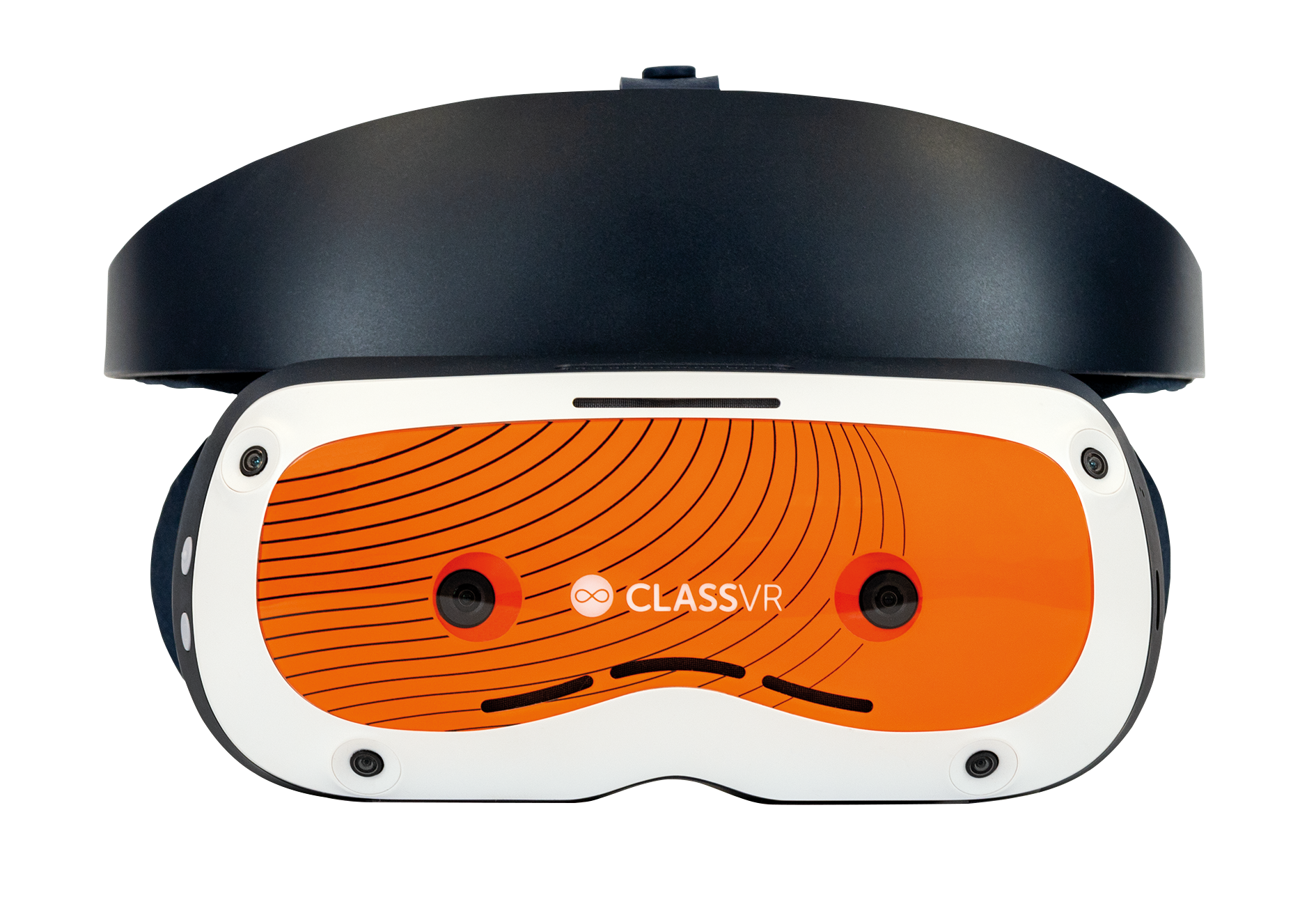
Xcelerate
STEM for Middle & High School
STEM and career-training solution, designed for KS4 and above.
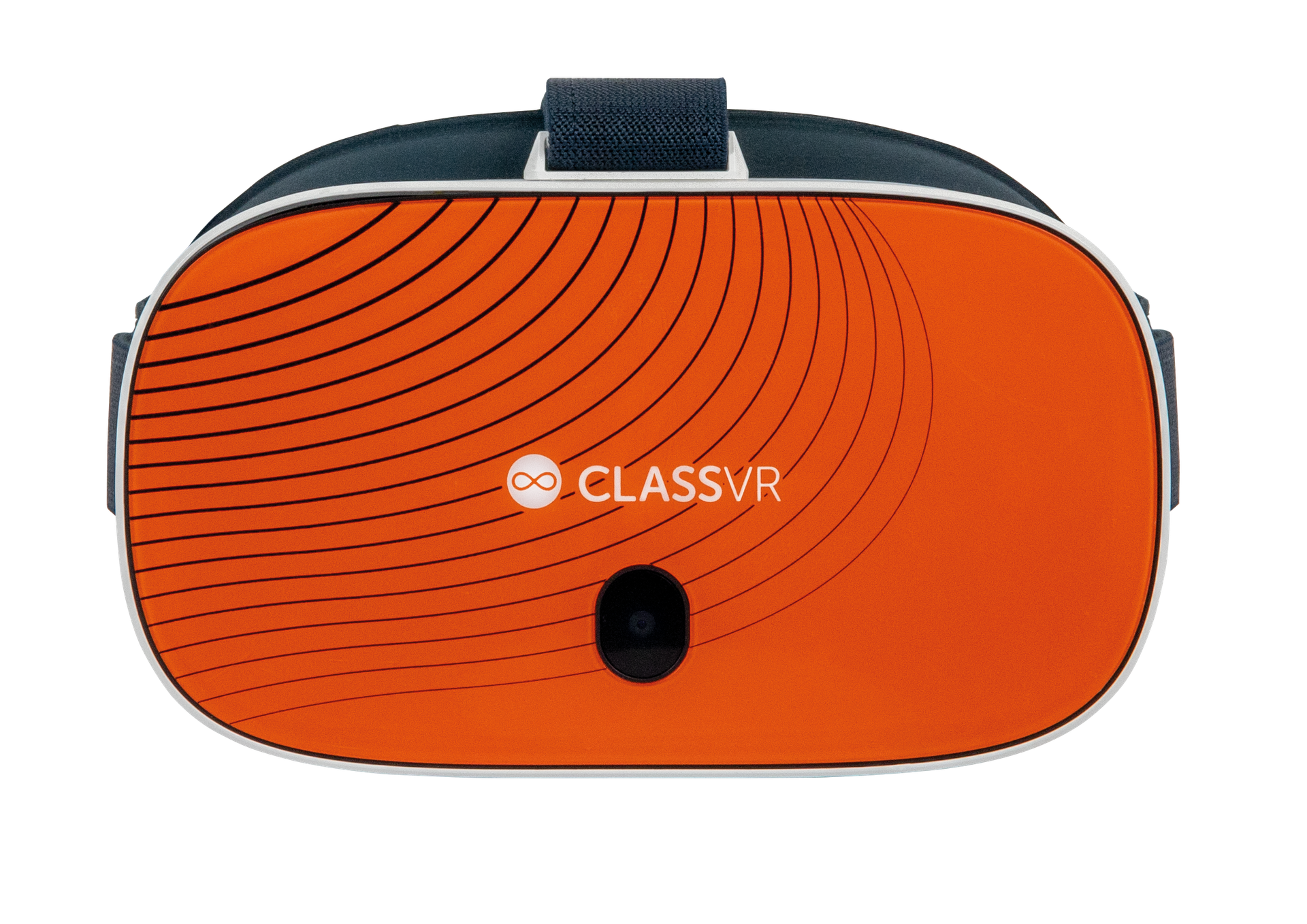
Xplorer
STEM for Elementary Education
Immersive STEM learning, augmented reality, and STEAM3D models built for KS1-3
New for 2026 Academic year

Available with ClassVR Xcelerate, EduverseSTEM combines immersive VR technology, 500+ curriculum-aligned STEM experiences, classroom management tools and a Gold Standard Project-Based Learning framework to give students hands-on opportunities to explore complex concepts, conduct virtual experiments, develop engineering solutions and demonstrate their learning through authentic STEM projects.
Adaptive, Experiential & Personalised Learning Pathways
No two students learn a STEM concept at the same pace. EduverseSTEM is built to bring flexibility and interactive learning into every classroom.
Teachers can create interactive lessons and run experiments in a safe environment, in ways that simply weren’t possible before.
With no safety concerns, setup challenges, or resource constraints to worry about, students can learn independently or in groups — trialling, testing, and applying what they’ve read in the textbook, in a way they will remember
Students Become AI Creators, Not Just Consumers
Most classroom AI tools put students on the receiving end, summarising a text, answering a question.
EduverseSTEM flips this, students use AI-powered creation tools to build their own 3D models, scenes, and interactive content as part of the STEM curriculum itself.
That distinction matters for the next STEM workforce. Employers increasingly need graduates who can direct AI as a collaborator, not just consume its output — and giving students hands-on practice building with AI, inside real STEM content, is a very different skill from asking a chatbot for a homework answer
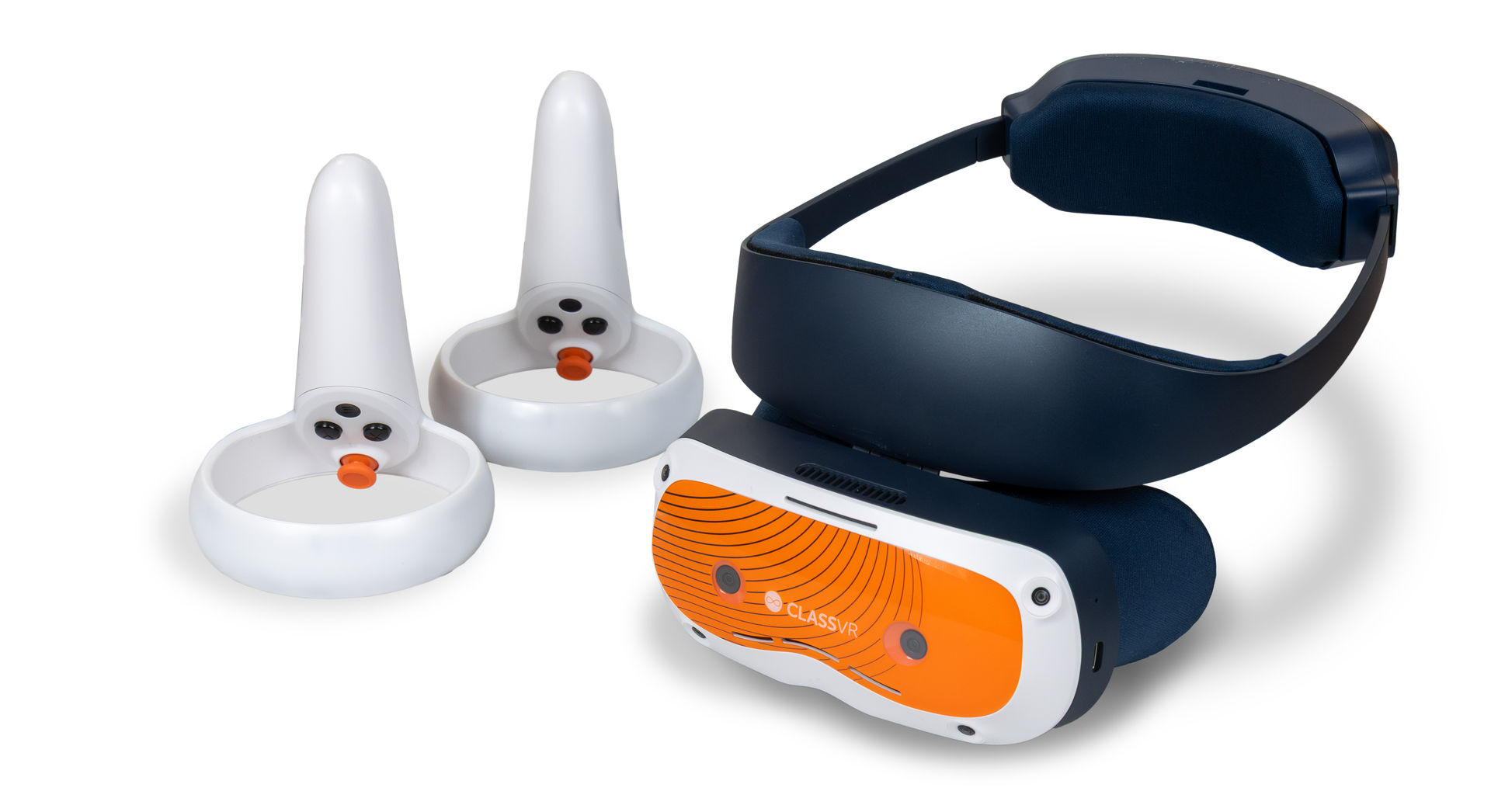
Expertly Curated Content Across STEM
EduverseSTEM brings together ClassVR’s award-winning STEM content with immersive experiences from specialist education and XR partners, creating an expertly curated library spanning biology, chemistry, physics, engineering & technology, computing and more.
Students can investigate real-world concepts, conduct virtual experiments, solve engineering challenges and develop the critical thinking, creativity and problem-solving skills that underpin STEM learning.
Featuring Content from Leading Education and XR specialists

Delightex
Coding.
Computational Thinking.
3D Creation.
Proteus
Virtual Science Labs.
Chemistry.
Physics.
General Science.

iXRLabs
Science.
Engineering. Healthcare.
Virtual Labs.
Filament Games
Some Assembly Required.
Robot Building Challenges.
Game Development.
AttainXR
Chemistry.
Biology.
Virtual Dissections. Practical Learning.
VXR Labs
Interactive Science. Simulation & Virtual Exploration.

Singer Studios
Engineering. Invention.
Mrs Benz – Women in STEM.
One Platform. Multiple Ways to Experience STEM.
From Key Stage 1 science to GCSE Triple Science and Computing, ClassVR covers the whole STEM curriculum, not one subject or key stage in isolation.
EduverseSTEM gives students hundreds of hours of curriculum-aligned STEM learning, with unlimited opportunities to create, build and demonstrate their own understanding. From virtual labs, experiments and simulations to interactive models, engineering challenges, coding, creation and extended project-based learning, students don’t just experience STEM, they investigate, apply and create within it.
What are the Benefits of VR for STEM?
STEM has always been a hands-on subject — the problem is that labs, equipment, and safety requirements make genuine hands-on practice expensive and hard to schedule. ClassVR’s AR Cube lets students hold, rotate, and examine 3D models as if they were real objects: a beating heart, a molecule, a jet engine.
Immersive Tech for Hands-On, Tangible Learning
STEM has always been a hands-on subject, the problem is that labs, equipment, and safety requirements make genuine hands-on practice expensive and hard to schedule. ClassVR’s AR Cube lets students hold, rotate, and examine 3D models as if they were real objects.
From studying the intricate details of a human heart to viewing molecules from every angle, 3D models spark curiosity, deepen understanding, and bring subjects to life in ways textbooks never could.
Safe Experimental Learning
ClassVR provides a safe space to learn new things and experience complex or potentially dangerous tasks. From virtual chemistry labs to career training in STEM industries, VR offers an environment where students can make mistakes and learn without any cost or safety consequences.
Inspire, See, Believe
Virtual Reality takes students directly into the world of STEM. By allowing them to be fully immersed in STEM careers, they can experience life as a scientist, engineer, or tech entrepreneur. This gives students the opportunity to imagine themselves in these roles and builds their confidence that they can achieve success in a STEM field.
Learning That Sticks
Students remember what they experience — not just what they’re told. By putting learners inside the subject matter, immersive VR turns passive lessons into active memory, improving both retention and results in the classroom.
Accessibility and Equity
ClassVR opens STEM up to every student, not just the ones with the field-trip budget or the mobility to access a physical lab. There’s no permission slip, transportation cost, or physical or sensory barrier standing between a student and a virtual chemistry lab, a walk through the human body, or a trip to the International Space Station.
One Platform, Every STEM Subject
ClassVR is designed so that a single investment covers the whole STEM curriculum, not one subject in isolation.
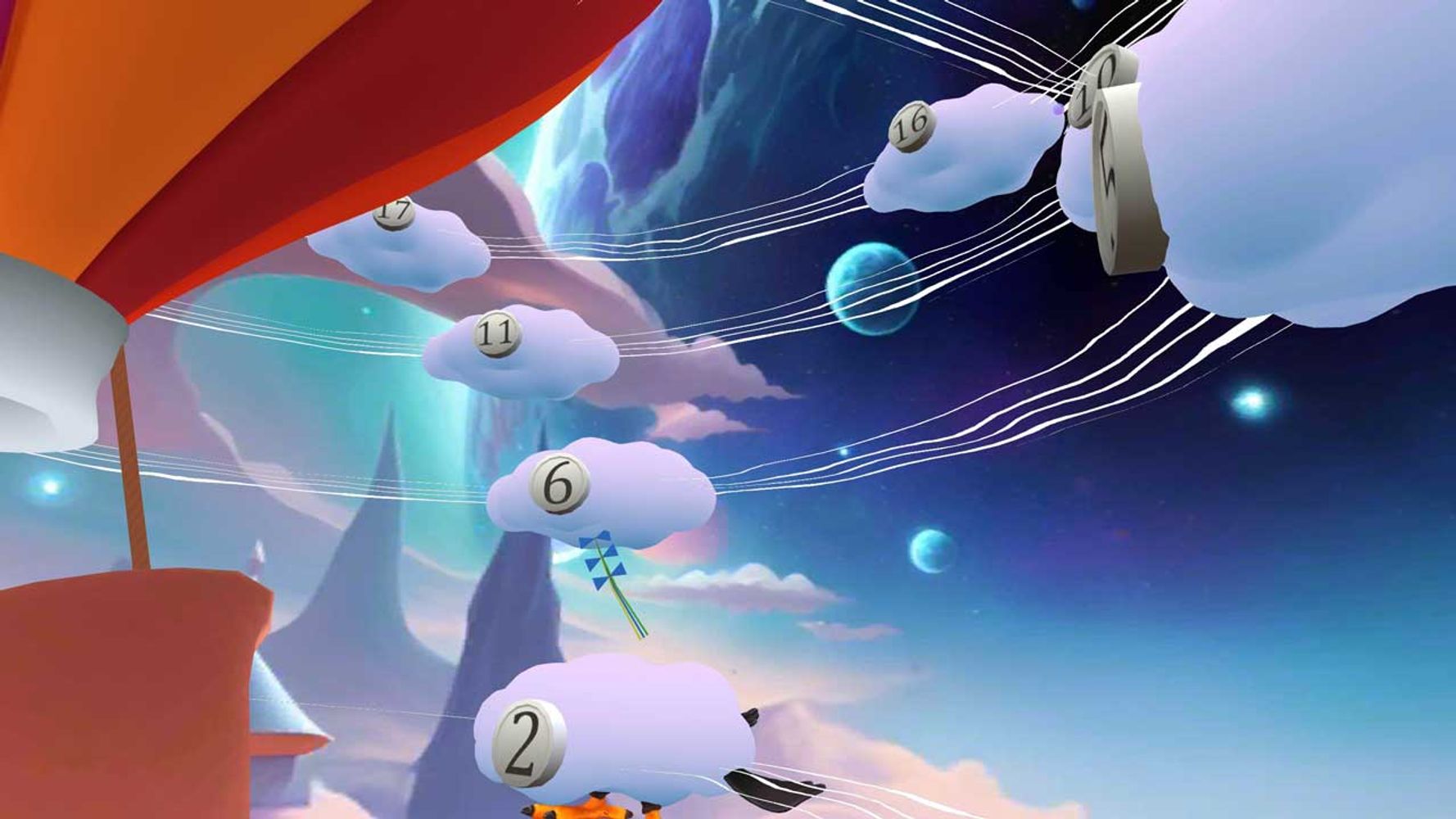
VR for Mathematics
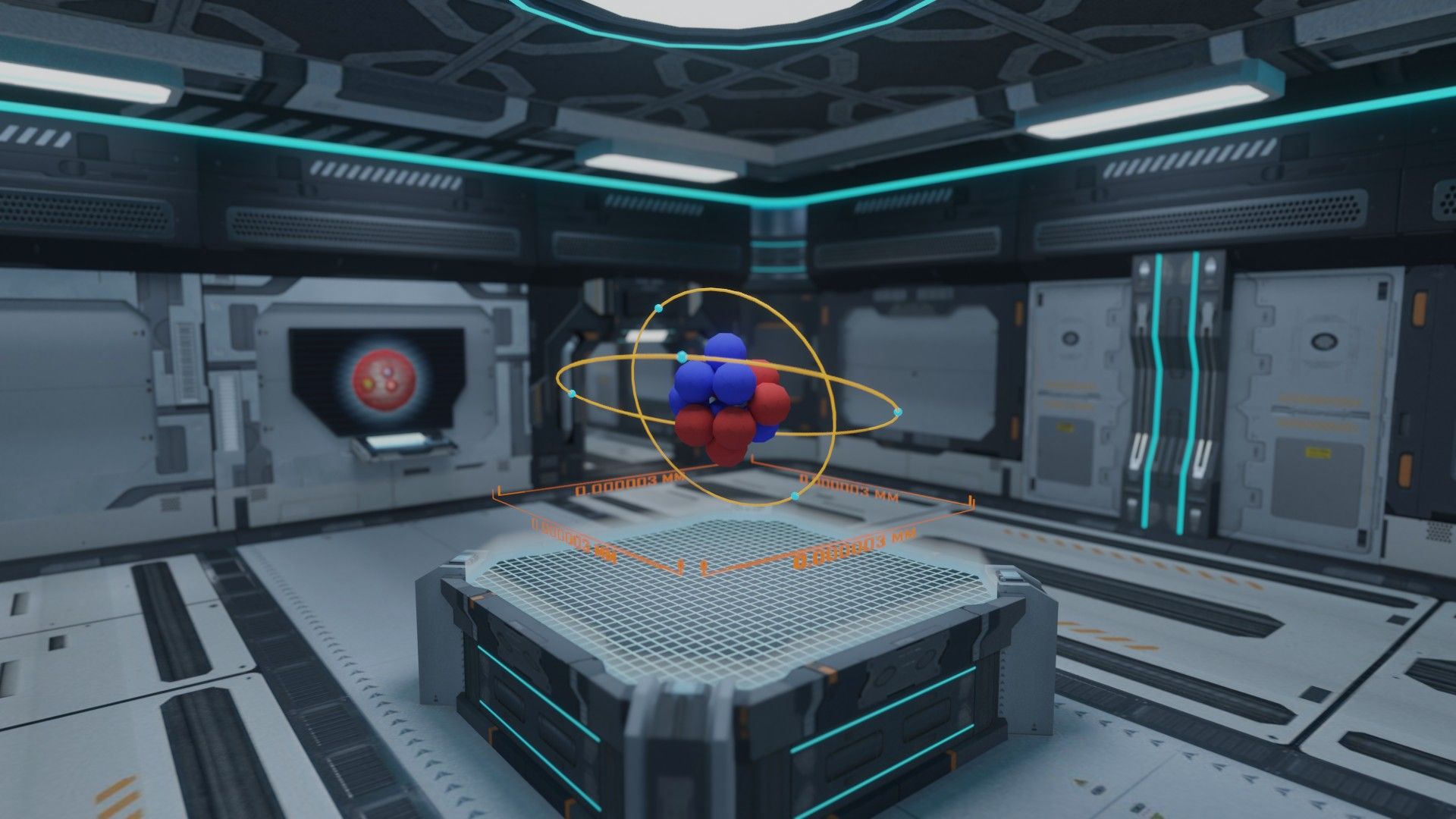
VR for Science
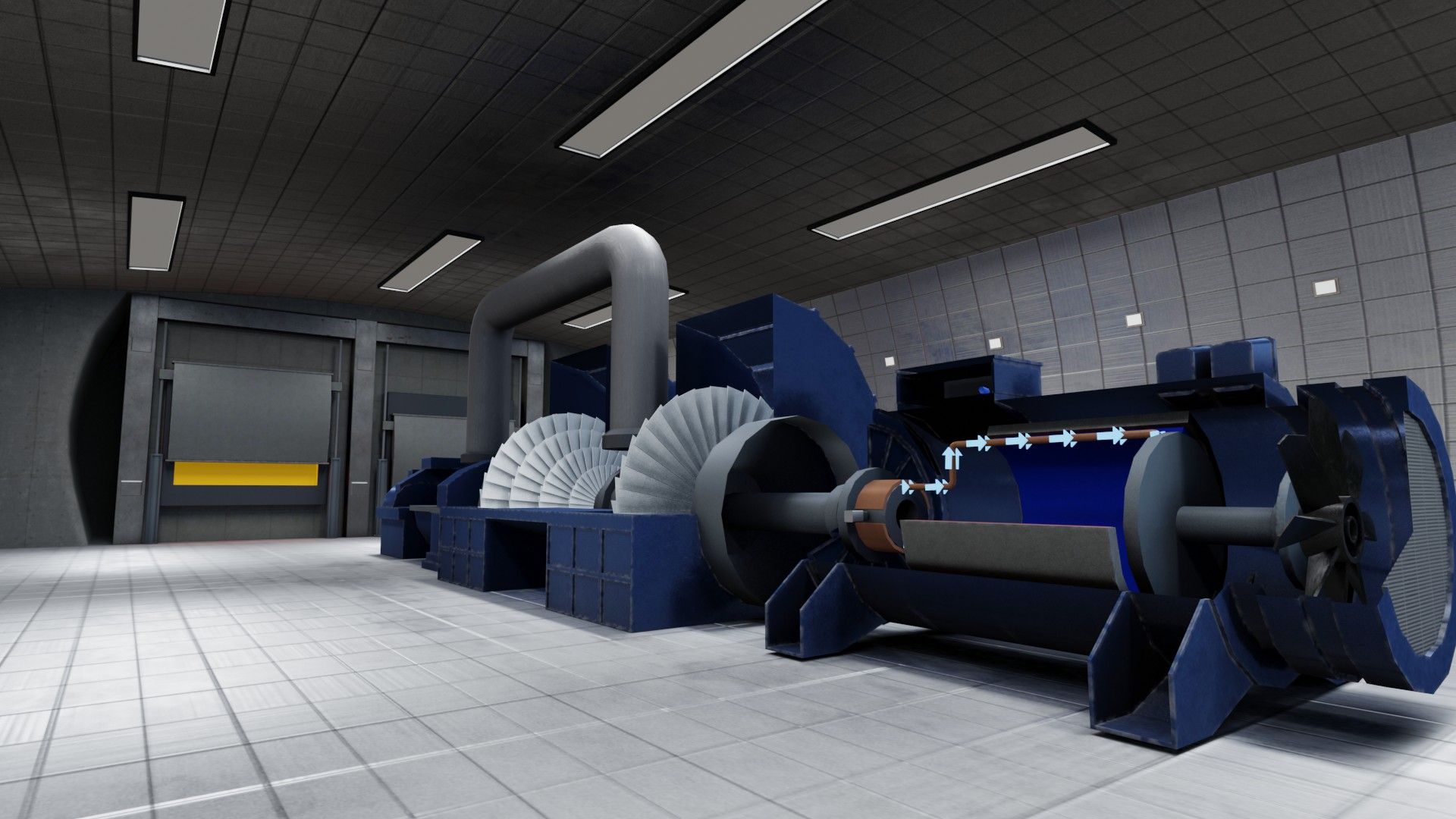
VR for Technology Teaching
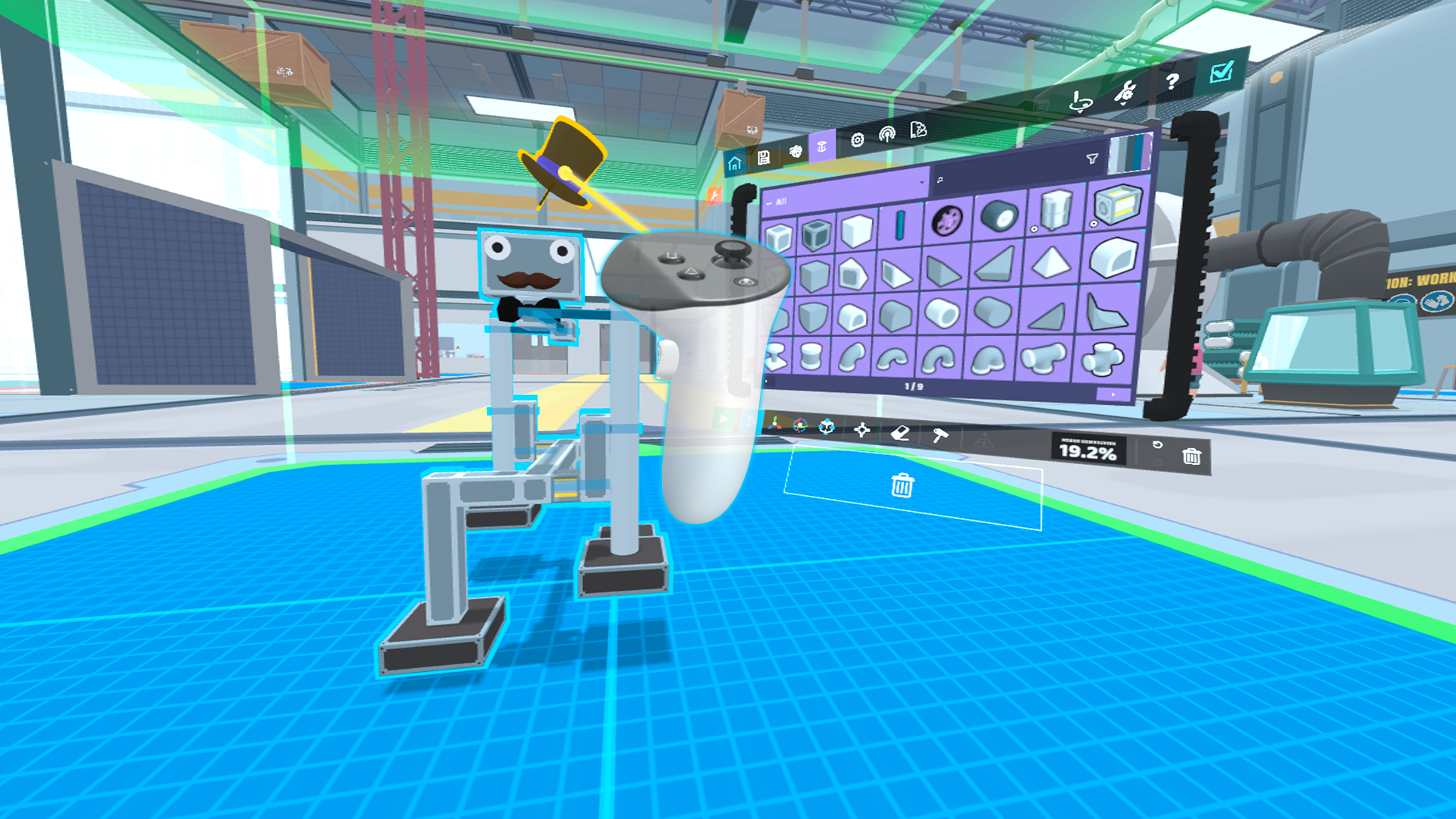
VR for Computing
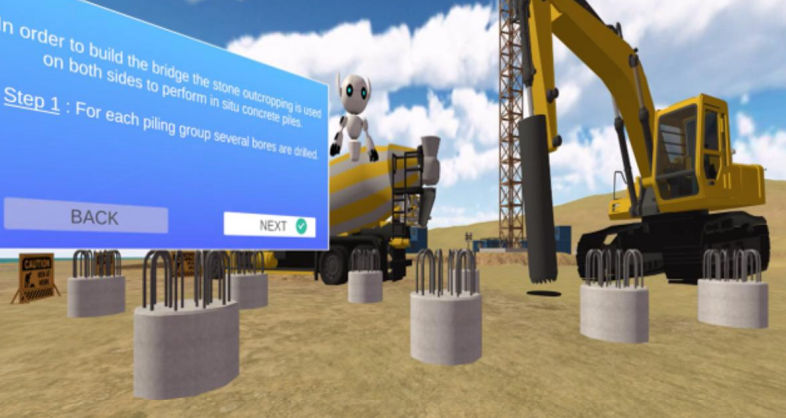
VR for Engineering
.jpg)
Project Based Learning
Ready to see it in your classroom?
Book a short demo and we’ll show you STEM content relevant to your grade levels, talk through funding options, and answer any questions your school leadership or IT team have about setup and safeguarding.
Classroom Innovation – The Power of VR in STEM Teaching

What is a STEM lab? A Complete Teacher’s Guide

How to Integrate STEM in an Augmented Reality Lab
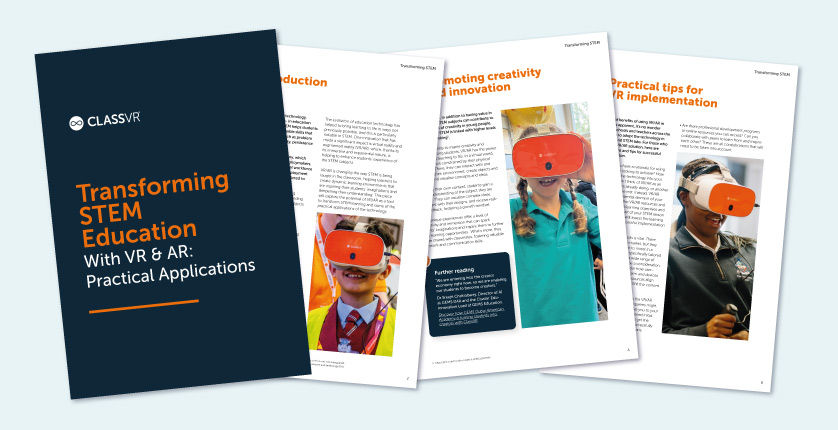
Transform STEM with VR and AR teaching
Using ClassVR in STEM Subject Lessons
/2444_main_1751002804.jpg?updatedAt=1757436751585)
Mathematics: Lines and Angles
Discover how explored angleRead s and lines around the classroom to enable students to have a tactile, first-hand experience of these concepts.
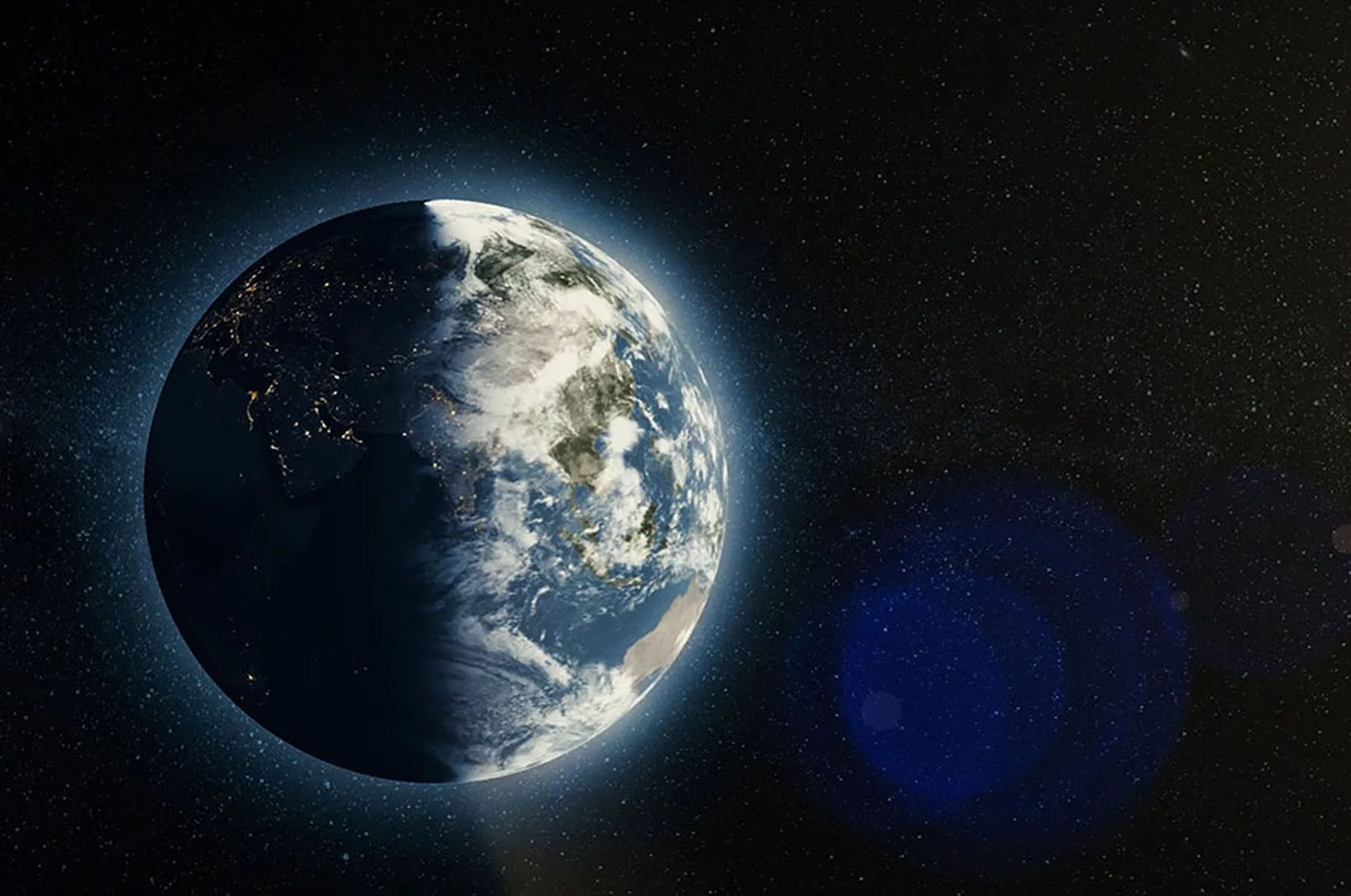
Science: Space
Read how our VR headsets allowed students to experience life at NASA and going to space.
/2487_main_1750784404.jpg?updatedAt=1755031648483)
Biology
Read about how schools integrate ClassVR integrate ClassVR into their practical lesson on investigating cells.
Improved Knowledge Retention & Engagement
Active, hands-on learning in immersive environments leads to deeper understanding and better long-term recall. Students using VR shift from passively receiving information to actively engaging with it — a core goal of STEM education reform, according to a 2025 peer-reviewed review of VR/AR-supported K–12 STEM learning.
VR and STEM learning, by the numbers:
1.5BN Skill Gap Cost
A 2025 review from the Institution of Engineering and Technology found 76% of UK engineering employers struggle to recruit for key roles, with skills shortages costing the UK economy an estimated £1.5 billion a year according to a Parliamentary Office briefing
PWC Backed Research
A PwC study of VR-based training found learners were up to 4x more focused and completed training up to 4x faster than classroom learners, and 275% more confident applying what they’d learned.
£78bn Market Share
Skills England’s 2026 annual report notes that employers report more than a quarter of UK job vacancies are hard to fill due to skills shortages. Skills England estimates priority STEM-adjacent sectors will need an additional 623,000 jobs between 2025 and 2030.
Frequently Asked Questions
What is EduverseSTEM?
EduverseSTEM is ClassVR’s complete immersive STEM ecosystem, combining Xcelerate VR headsets, curriculum-aligned STEM content, classroom management tools, and a Gold Standard Project-Based Learning Framework into one ready-to-teach solution. Built for middle and high school classrooms, it gives teachers everything they need to bring science, technology, engineering, and maths to life without piecing together separate tools and content libraries.
Why are schools turning to VR for STEM teaching?
STEM uptake and attainment remain a national priority, and Ofsted increasingly looks for evidence that schools are using technology to widen access and deepen understanding, not just as a novelty.
VR for STEM addresses three problems teachers raise consistently: abstract concepts that are hard to visualise, a lack of budget or safety allowance for real-world field trips and lab equipment, and the challenge of engaging pupils who disengage from STEM subjects by Key Stage 3.
With a class set of ClassVR headsets, a teacher can take a whole class inside the human circulatory system, onto the surface of Mars, or into a working circuit board — then bring them straight back to a worksheet or discussion, all within a single lesson.
How VR works in a STEM classroom?
Teachers control the lesson from a single tablet, pushing content to every headset at once, pausing the group, or highlighting one pupil’s view on the classroom screen. Content is pre-loaded and works offline, so there’s no reliance on classroom Wi-Fi holding up mid-lesson. Sessions are typically 15–20 minutes of immersive time within a standard lesson, with built-in discussion prompts and worksheets so VR supports the lesson objective rather than replacing it.
What is a STEM lab?
A STEM lab is a dedicated classroom space designed for hands-on Science, Technology, Engineering, and Maths learning — combining tools, equipment, and activities that let students experiment, build, and problem-solve rather than just read about concepts. Modern STEM labs increasingly include immersive technology like VR and AR alongside traditional equipment to make abstract ideas tangible. Read our full guide to setting up a STEM lab for a complete breakdown.
What equipment does a STEM lab need?
A well-equipped STEM lab typically includes flexible seating and workstations, hands-on materials for experiments and builds (robotics kits, circuitry, construction sets), safety equipment for practical work, and increasingly, immersive technology such as VR/AR headsets that let students safely explore experiments, environments, and career scenarios that would otherwise be impossible, expensive, or unsafe in a physical classroom — from dissecting a virtual heart to stepping inside a chemical reaction.
Does ClassVR align with the National Curriculum?
Yes. EduverseSTEM content is mapped to Key Stage 2 through Key Stage 4, covering the science, computing, and design & technology programmes of study, so lessons slot directly into existing schemes of work rather than sitting alongside them as an extra.