

Beyond the Classroom
Help students build confidence, explore futures & connect learning to the real world
Prepare Your Students for Life After School
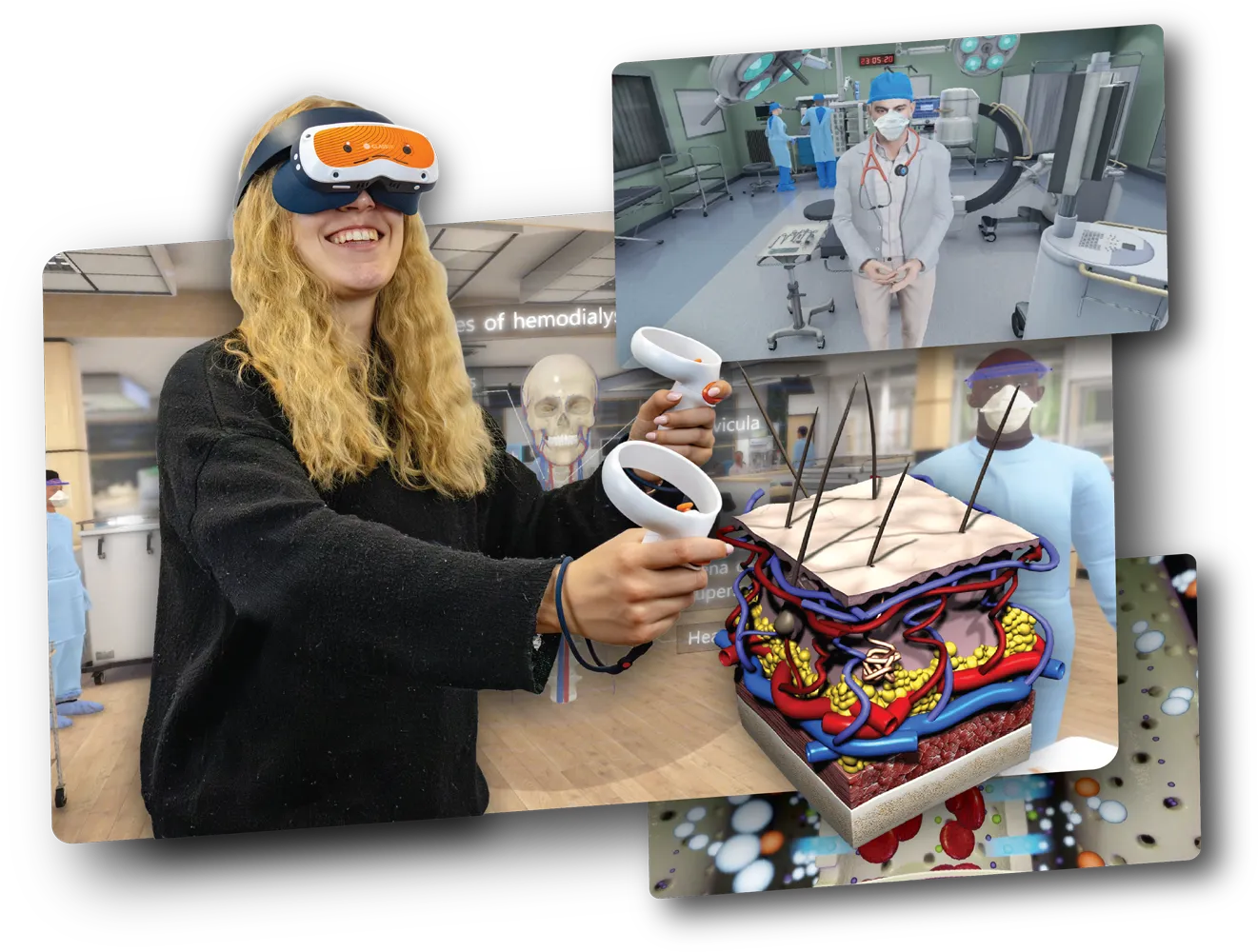
Beyond the Classroom brings careers education into focus through immersive XR experiences that help students prepare for their future with confidence. Using ClassVR Xcelerate headsets and EduverseCTE content, schools can connect learning to real-world careers across healthcare, skilled trades, and emerging industries.
Students can explore pathways, build essential workplace skills, and engage in meaningful experiences that develop both knowledge and confidence – helping to close the gap between education and the world of work.
Build Their Future
Give your students the confidence to succeed in real-world situations. EduverseCTE gives every student the chance to explore career pathways, understand workplace expectations and feel confident about their next steps.
Explore Their Future
Let students explore and experience careers before they choose them. Through VR your students can access a wide range of real-world job roles through immersive virtual content. From healthcare to hospitality, these experiences make career exploration accessible and engaging.
Develop Their Future
Help students develop and measure the skills employers really value. Support your students to build confidence in essential soft skills such as communication, teamwork and problem solving with guided scenarios they can explore at their own pace in a supportive environment.
Bridging the Skills Gap
ClassVR Xcelerate along with EduverseCTE brings the power of virtual reality directly into career and technical education. Combining world-class, expertly curated content with advanced classroom hardware that supports full spatial movement, this all-in-one solution delivers truly immersive learning. From hands-on vocational and technical training to AI-driven soft skills coaching.
Transforming Vocational Development
Immersive simulations that build real-world skills, boost confidence, and guide learners from the classroom into their careers and beyond.

Gain Practical Skills for Real Careers
ClassVR’s vocational simulations let students gain practical experience in a wide range of industries, from healthcare and construction to catering and technical maintenance.
Learners can carry out hands-on tasks using industry-aligned procedures and tools, all in a safe, repeatable VR environment. This not only builds competence but also helps them transfer classroom learning directly into workplace practice.
%20(800%20x%20500%20px).png)
Explore Career Pathways
Choosing the right career path can be daunting. With ClassVR, students can step into immersive job shadowing experiences and explore day-to-day responsibilities across different professions, all from within the classroom.
By seeing firsthand what each role involves, learners can make more informed choices about their futures, feel confident in the pathways they select, and unlock a world of possibilities, opening doors to careers they may never have imagined.
Build Confidence
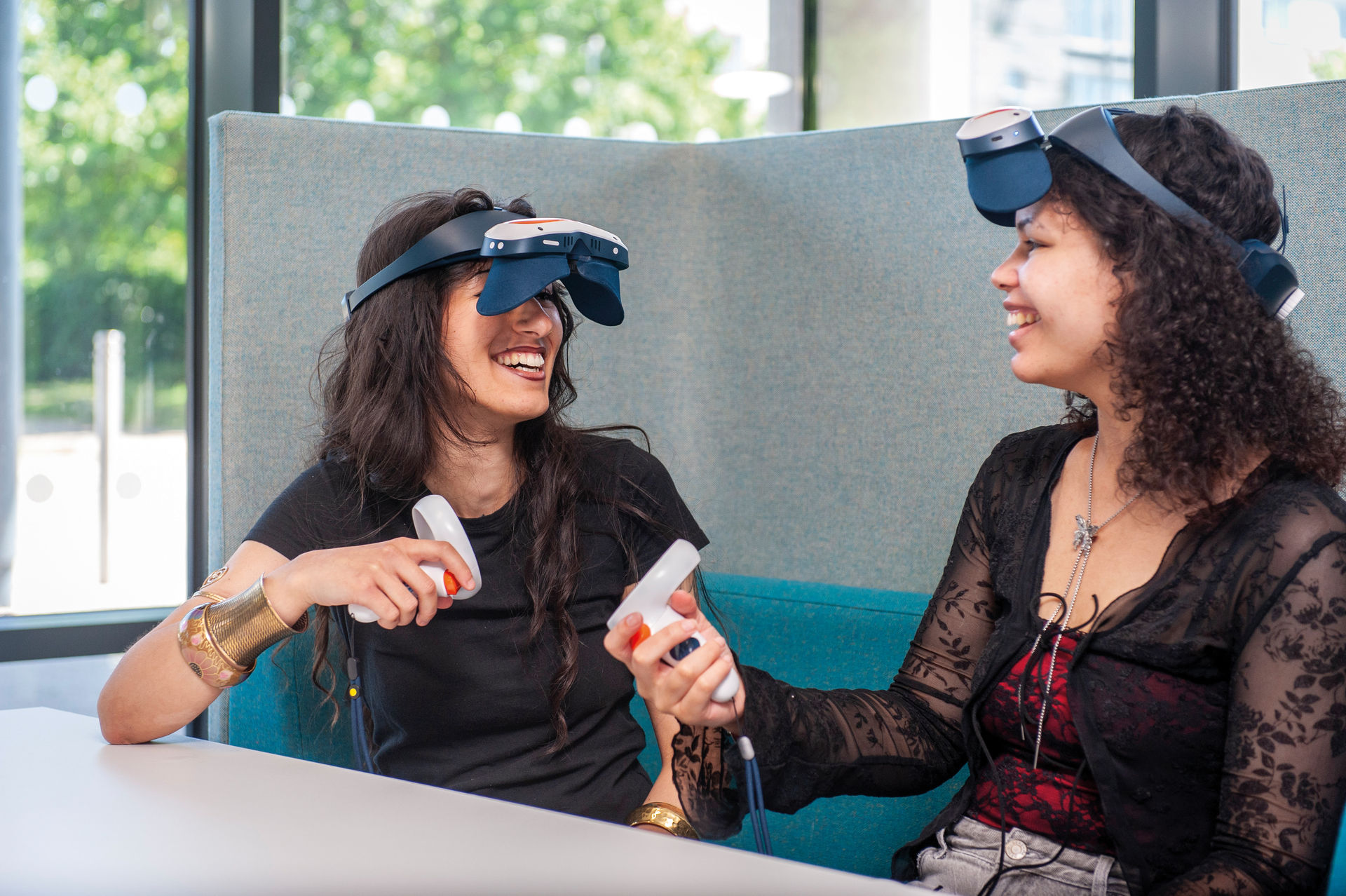
Workplace success depends on more than technical knowledge. ClassVR helps students practice essential soft skills such as communication, teamwork, and problem-solving through interactive scenarios.
Whether through public speaking, practice interviews, or collaborating in realistic workplace scenarios, learners develop confidence that extends far beyond the classroom, equipping them to succeed in further education, apprenticeships, interviews, and the world of work.
.jpg?updatedAt=1757074975085)
Practice Without Risk
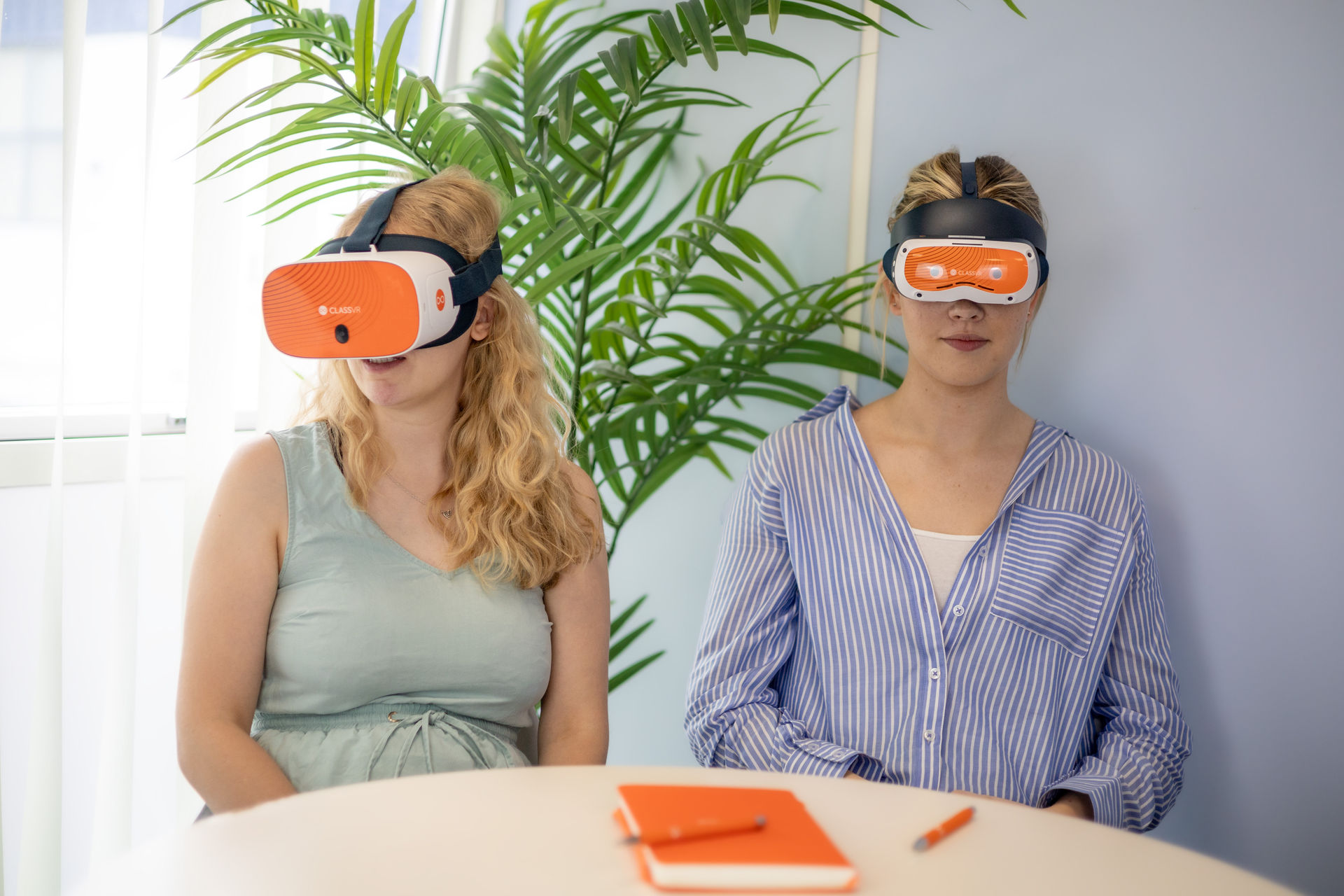
Mistakes are part of learning, but in many industries, they’re costly, dangerous or difficult to recreate. With ClassVR, students can practice as many times as needed in a safe, controlled environment.
From perfecting a technical procedure such as welding, to rehearsing customer service interactions, learners can build proficiency without the pressure of real-world consequences.
From Classroom to Career
ClassVR bridges the gap between study and employment, ensuring students leave school not just with knowledge, but with the practical skills and workplace awareness employers today demand.
By aligning immersive experiences with vocational training programs, educators and leaders can prepare learners to confidently step into their chosen careers ready to succeed.
Using ClassVR For Career Development
.jpg)
Benefits of Building Soft Skills in Virtual Reality
.png)
6 Careers Students Can Explore in Virtual Reality
World-Class Content Built for Success Beyond the Classroom
Included in the ClassVR Xcelerate Solution
Xcelerate Interactive Headsets
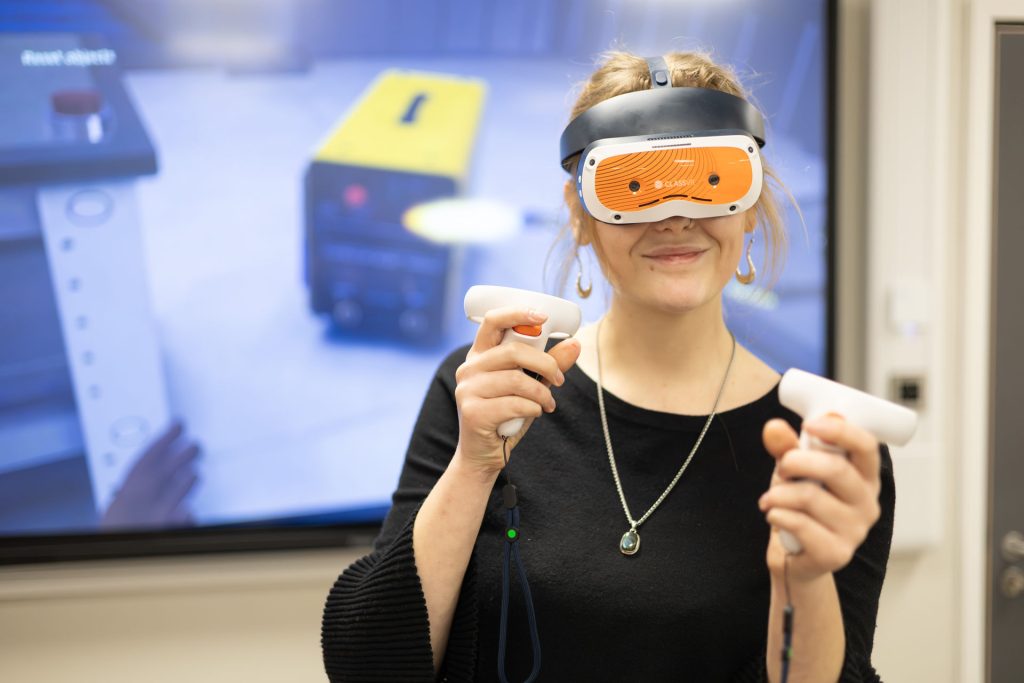
Includes four ClassVR Xcelerate 6Dof headsets, ergonomically designed for safe, comfortable classroom use.
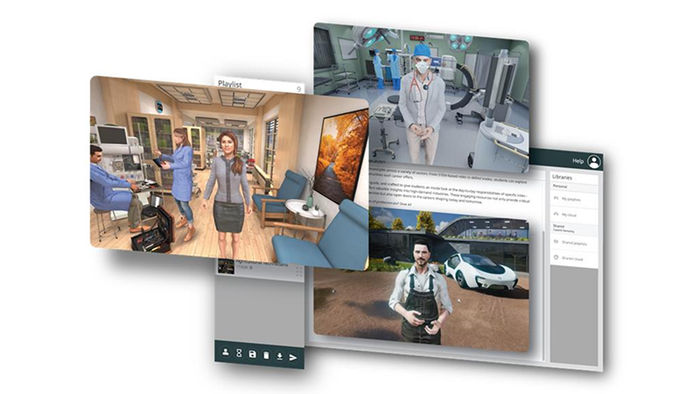
Immersive Career Training Educational Content
An EduverseCTE device liscence provides access to immersive experiences supporting Vocational Development, Career Readiness, Career Exploration.
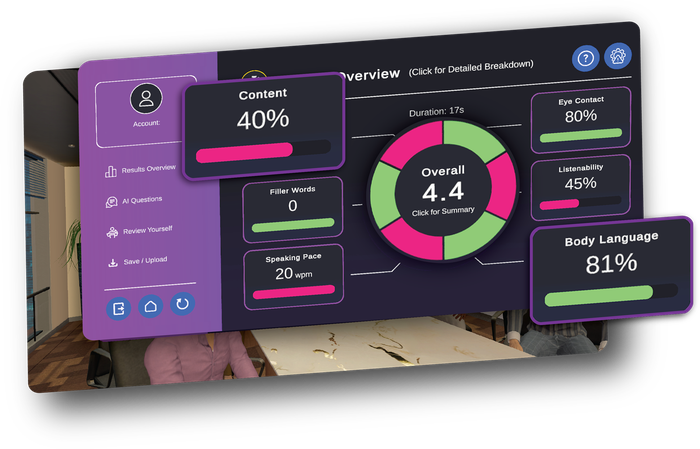
AI Feedback on Skill Development
Our soft skills modules allow learners to receive feedback in technical tasks, to help them to understand whether they’re completing each step correctly.
.png)
Training & Support
Guided setup and teacher training support simple, confident implementation, with clear guidance for embedding well-being support into everyday practice.
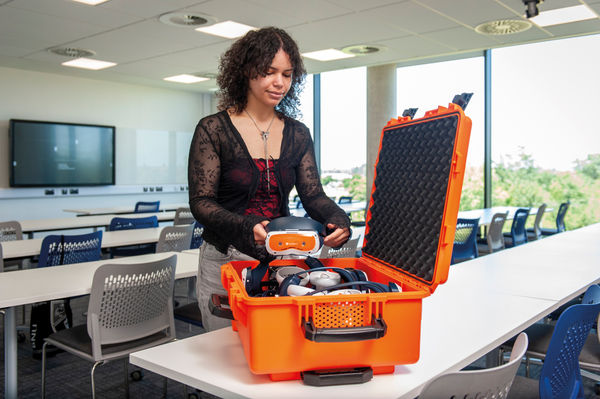
Safe Storage & Charging
Secure, lockable cases with built-in charging keep devices protected and lesson-ready.
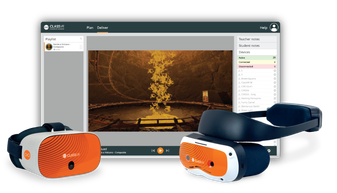
Device Management
Simplify school IT with ClassVR, centralised device management, remote monitoring and analytics in one platform.
Frequently Asked Questions
How can students gain career skills while still in school?
Students can gain valuable career skills while still in school by using immersive VR platforms such as ClassVR Xcelerate and EduverseCTE, which simulate real-world workplace and interview environments in a safe, interactive setting.
Through these experiences, students can develop essential soft skills including interview skills, public speaking, communication, teamwork, and workplace professionalism. They can practise responding to interview questions, delivering presentations, and collaborating in realistic job-related scenarios that mirror expectations in further education and employment.
A key advantage of VR-based learning is the use of instant AI feedback, which helps students improve in real time. Learners receive guidance on important non-verbal and verbal skills such as eye contact, body language, tone of voice, pace of speech, and clarity of communication. This immediate feedback helps them refine their performance quickly and build confidence through repetition and reflection.
By combining immersive practice with intelligent feedback, platforms like ClassVR Xcelerate and EduverseCTE help students develop the confidence, communication skills, and workplace readiness needed for future success in education, apprenticeships, interviews, and employment.
Why are career skills important for students today?
Career skills are important for students today because they help bridge the gap between education and the world of work, preparing learners for success in further education, apprenticeships, interviews, and future employment.
Alongside academic knowledge, employers increasingly look for strong soft skills such as communication, teamwork, problem-solving, adaptability, and professionalism. Developing these skills early helps students feel more confident when expressing ideas, working with others, and navigating real-world situations.
Career skills also support students in making more informed decisions about their futures. Through practical experiences, they gain a clearer understanding of different roles and expectations, helping them choose pathways that suit their strengths and interests.
With technologies like immersive VR learning, students can practise these skills in realistic environments, receiving instant feedback on areas such as eye contact, body language, speech, and confidence. This helps them continuously improve in a safe, supportive setting.
Ultimately, career skills give students a stronger foundation for life beyond school, improving readiness, confidence, and long-term opportunities in an increasingly competitive job market.
What role does technology play in career preparation?
Technology plays a crucial role in modern career preparation by giving students access to realistic, practical experiences that go beyond traditional classroom learning.
With immersive tools such as ClassVR, learners can step into simulated workplace environments where they can practise key career skills in a safe and engaging way. This includes experiences such as virtual interviews, presentations, teamwork scenarios, and job-specific tasks that reflect real-world expectations.
Technology also enhances skill development through instant AI feedback, helping students improve in real time. They can receive guidance on important areas such as eye contact, body language, communication style, speech clarity, and confidence, allowing them to refine both verbal and non-verbal skills with every attempt.
In addition, digital platforms like VR broaden students’ understanding of different careers by allowing them to explore multiple industries and roles they may not otherwise encounter. This helps them make more informed decisions about their future pathways.
Overall, technology makes career preparation more interactive, accessible, and effective, equipping students with the confidence, skills, and awareness they need to succeed in education, training, and employment.