Virtual Field Trips for the Classroom
Take Students Anywhere… and have them back in time for recess
What is a Virtual Field Trip
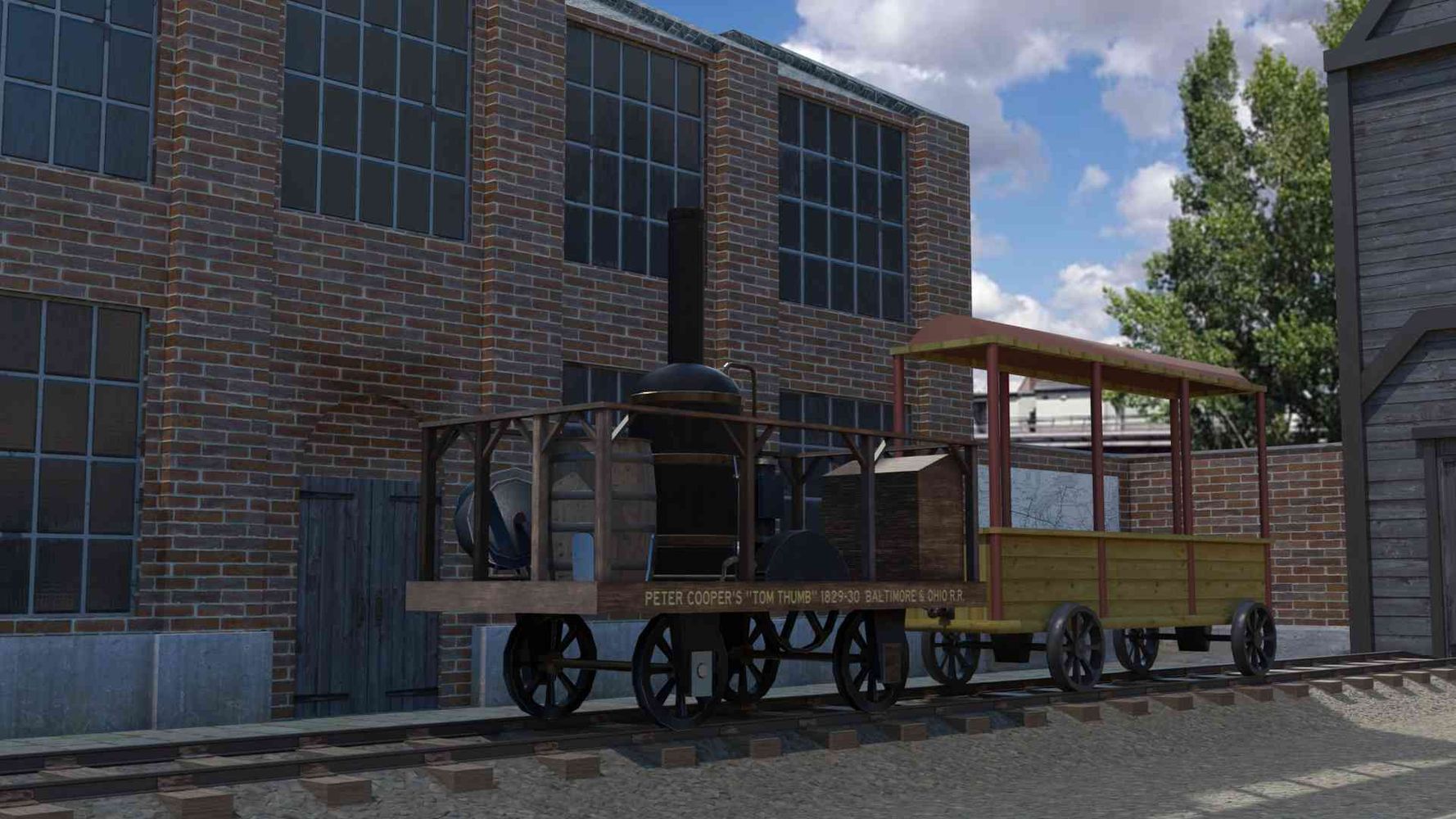
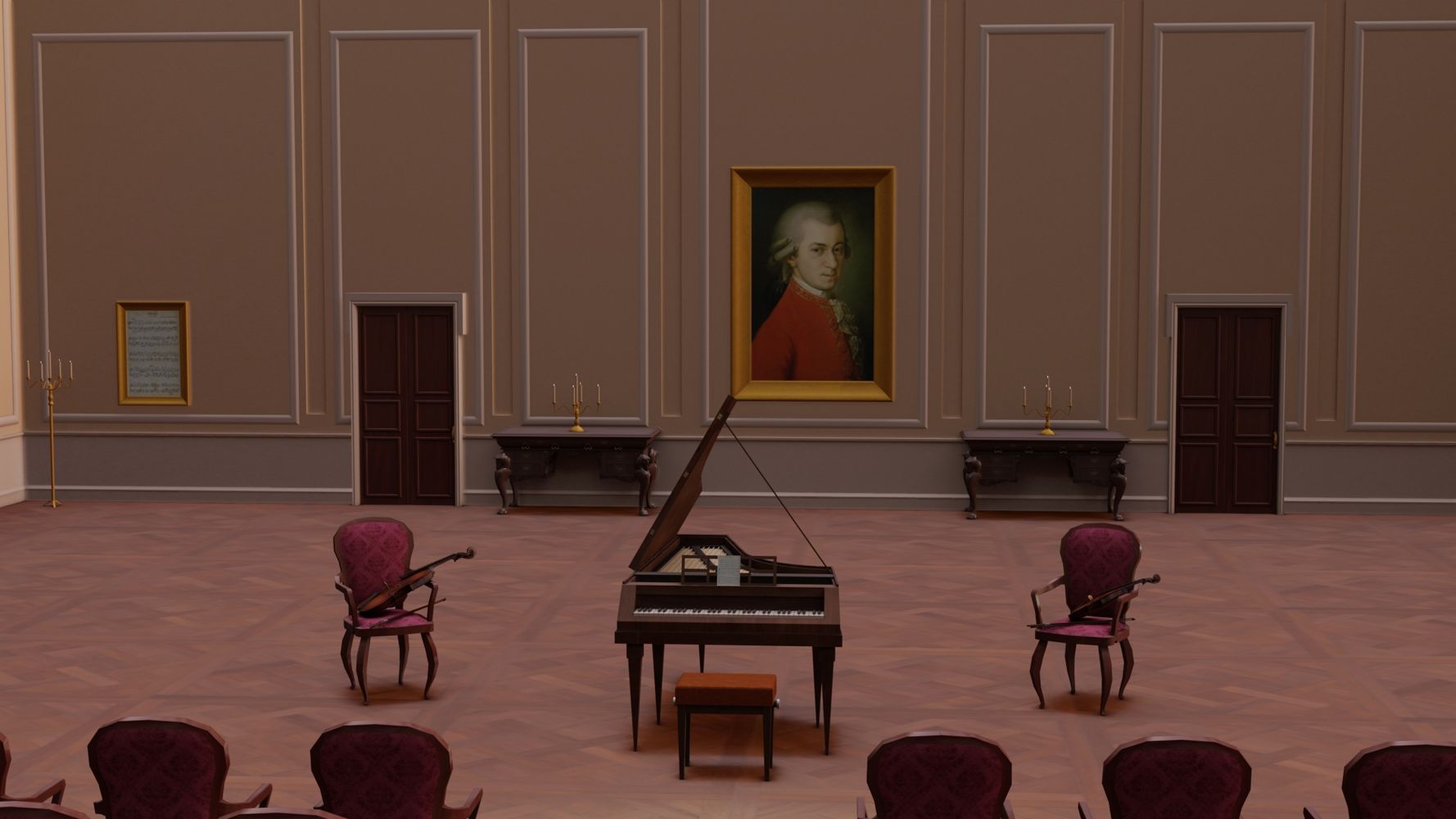
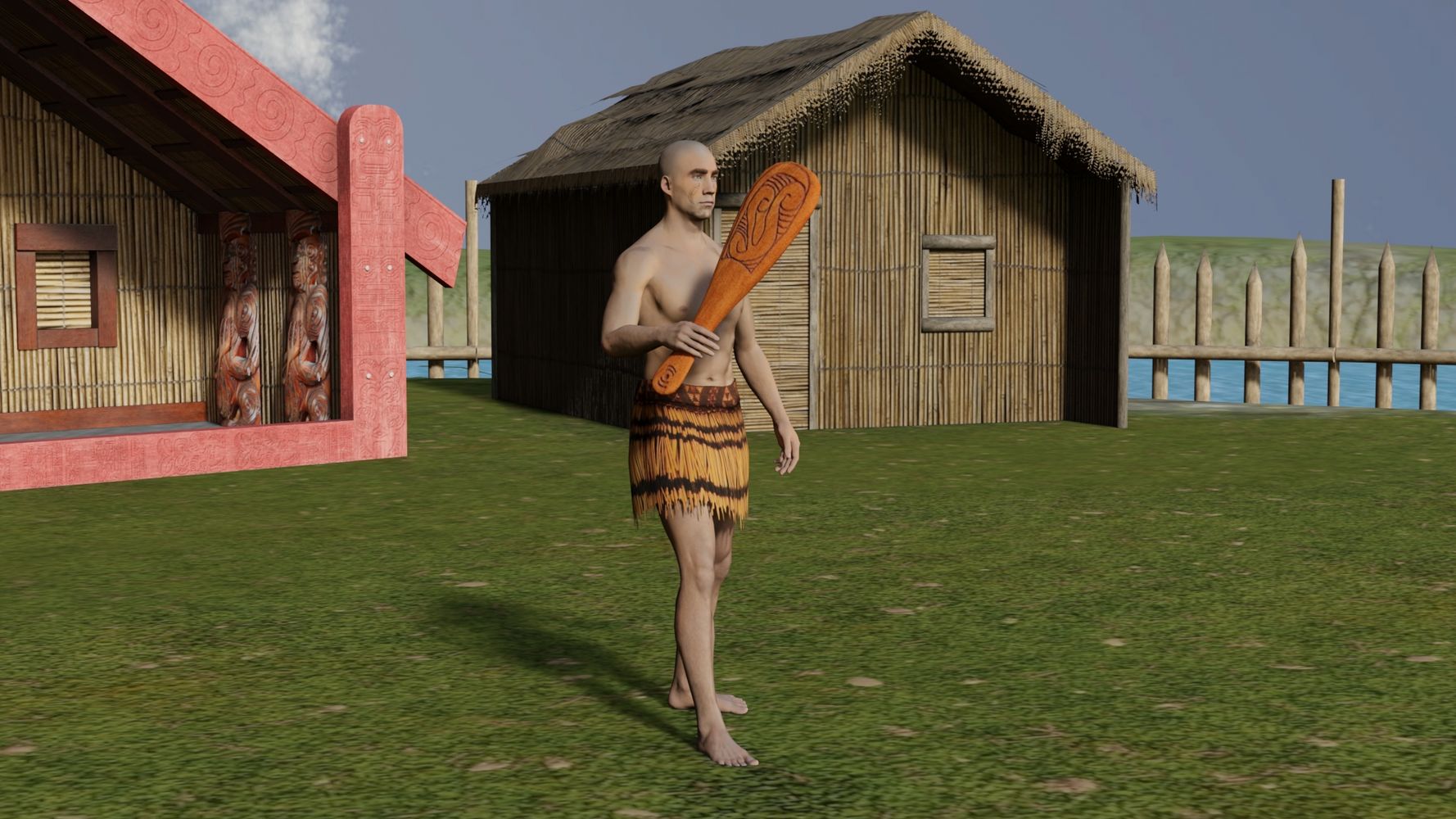
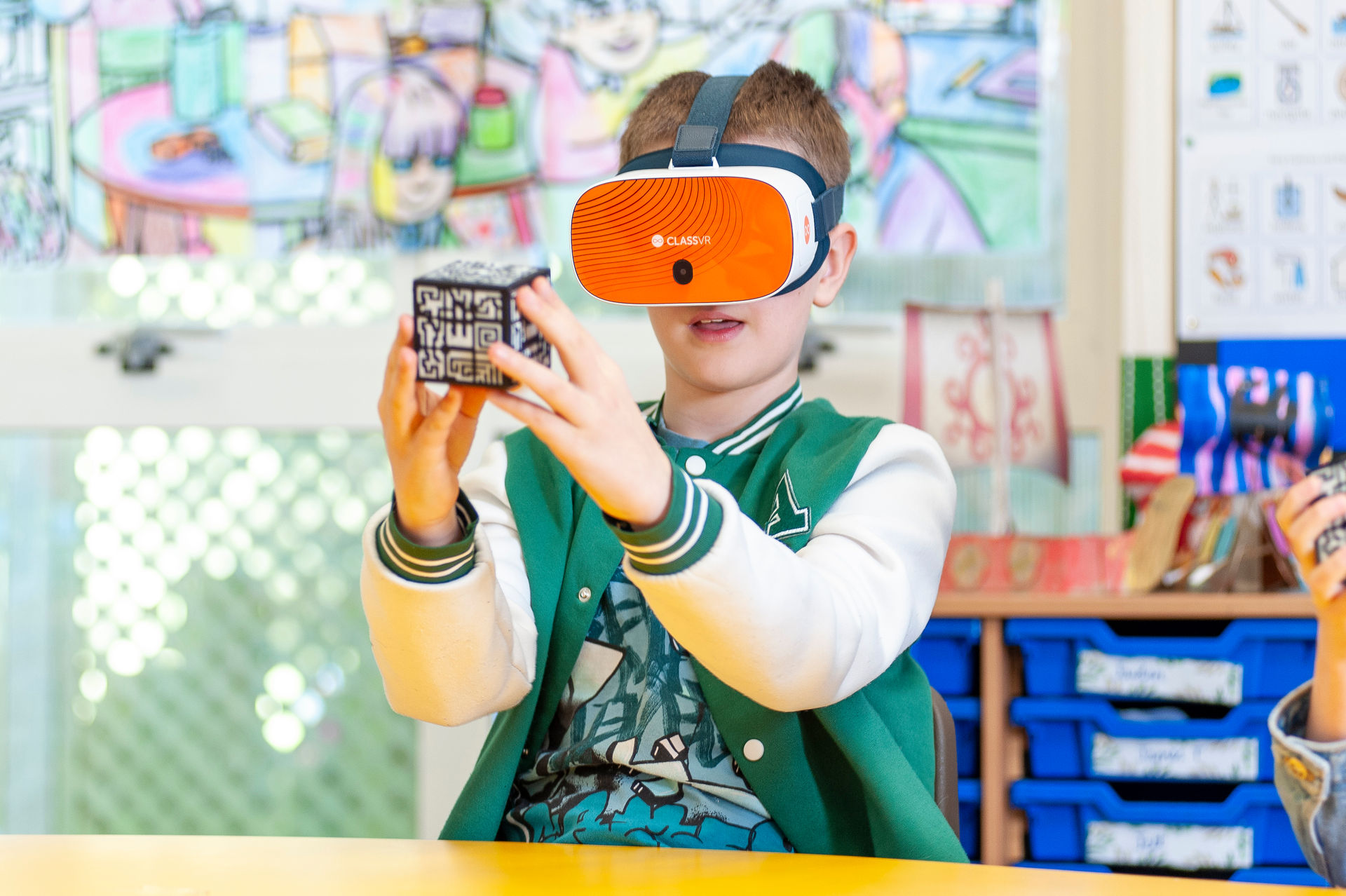
A virtual field trip lets students explore real and imagined places through a VR headset, without leaving the classroom. Teachers launch immersive scenes, 360° videos, or interactive tours from a single dashboard. Students walk through ancient Rome, dive into a coral reef, or orbit Earth, all at a simple the click of a button?
ClassVR Xplorer – #1 VR Field Trip Solution
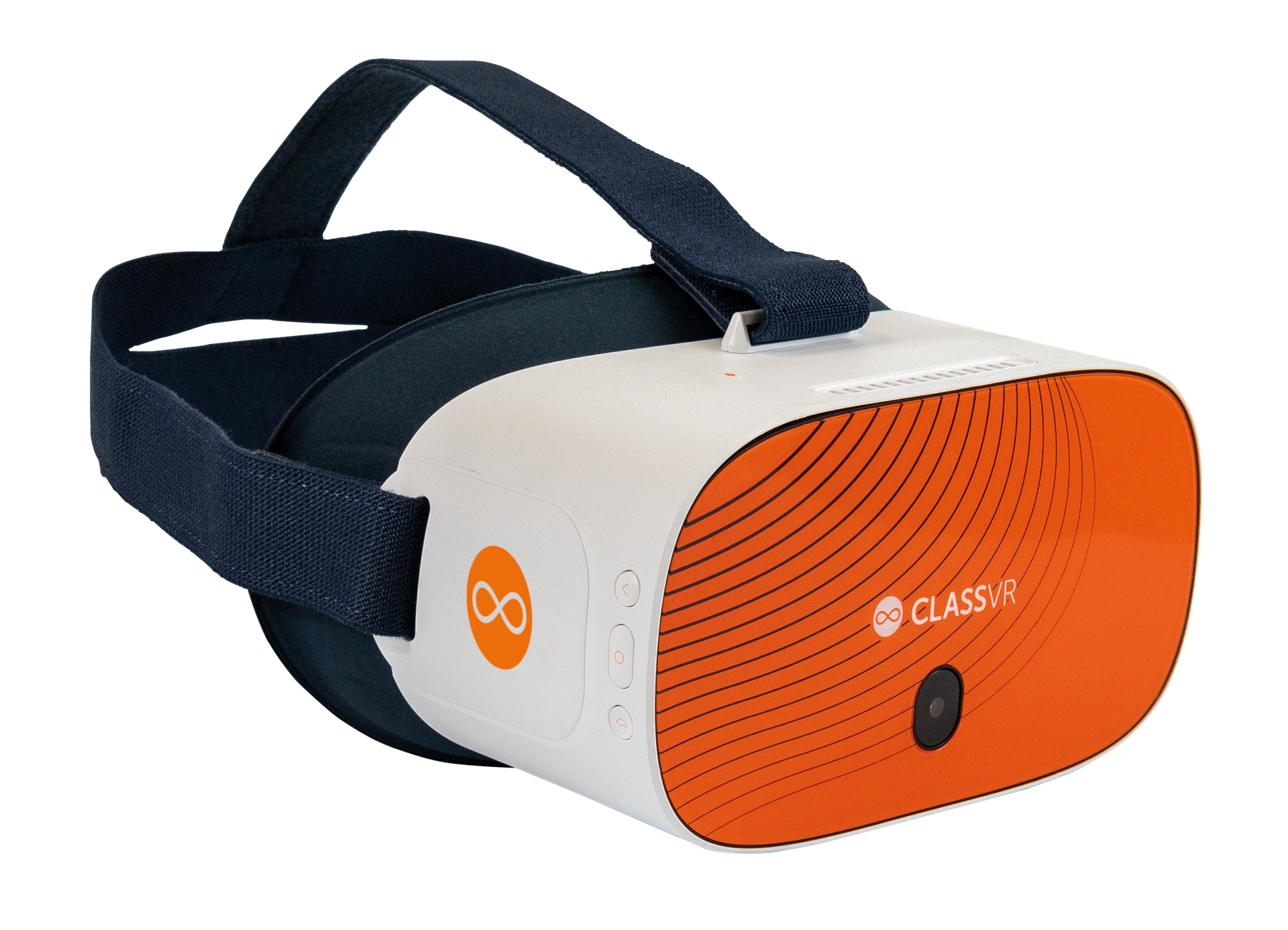
Xplorer is purpose-built for collaborative classroom use, with an adjustable strap and easy-to-clean hardware.
Xplorer is an accessible, easy-to-use tool that lets students go anywhere in the world through a high-impact lens
Why Schools Choose ClassVR
- Built for Education
- Efficient to Set Up
- Proven Results
- Trusted Nationwide
Free Virtual Field Trips for Your Classroom
Geography
Australian Outback Biome
Take students on a journey across the globe to Australia, to explore the vast Outback biome. Let them experience the striking red deserts, and learn about the unique habitats that define this remarkable environment.
History
Ancient Rome
Ancient Rome – Take students back in time to the Colosseum for their history lesson. Our curriculum expert Sarah walks through how to use VR in lessons to boost students’ knowledge retention of the Romans.
Science
Coastal Eco System
Deep dive into the coastal ecosystem virtual field trip. Uncover the rich biodiversity and dramatic landscapes that define the coast, from wave-battered cliffs to sheltered tidal rock pools.
How VR Benefits Learning
Compared to learners taught with more traditional teaching methods, learners using a VR headsets are:
4x
More Focused
4x
Quicker to Retain Knowledge

275%
More Confident in Applying Learnings
*source: PwC
Turn Every Lesson into a Journey of Discovery
Our explorable scenes place students at the heart of learning, surrounded by dynamic environments they can move through, navigate, and explore.
This interactive approach goes beyond simply seeing, it helps students feel present in every moment. By actively engaging with their surroundings, learners develop a deeper connection to the subject matter. It also fosters empathy, creativity, and critical thinking, supporting growth not just academically, but personally.
Build Critical Thinking Skills
Our teacher support resources are designed to deepen learning within virtual field trips. Comprehensive lesson plans and teacher notes help align each experience with the curriculum, while student activities and guided prompts drive engagement and meaningful discussion.
With our content creation tools, teachers and students can extend their field trip experiences even further. Students can upload or recreate their own virtual journeys, then revisit them in VR to reflect, analyse, and refine their understanding.
Level the Educational Playing Field
ClassVR’s virtual field trips open the door to experiences many students would otherwise never have access to.
Including exploring the world, visiting iconic locations, and engaging with powerful learning moments—without the barriers of cost, permission slips or travel.
ClassVR Designed for Education Across the Nation
Elementary School Field Trips
Virtual reality learning helps children aged 4–11 build foundational skills, core knowledge, and social development. By making abstract concepts tangible and lessons unforgettable, students can immerse themselves in their favourite storybooks, travel across different states, and explore mountains, rivers, deserts, and oceans.
Middle School Field Trips
Virtual reality enables middle school students to engage with more complex ideas across science, geography, history and more. Make the world accessible to every learner, explore ecosystems, analyze civilizations, and examine landscapes across the United States, from mountains and rivers to deserts and oceans.
High School Field Trips
Virtual reality transforms learning for high school students through deepen knowledge and real-world understanding. Let explore advanced topics across travel across the world and beyond to investigate ecosystems, analyze landscapes, and experience pivotal historical moments firsthand.
Hundreds of Thousands Immersive Content for Subject Lessons Available
Real Results: Enhancing Lessons with ClassVR

Virtual Field Trips at Oak Run Middle School
Discover how students’ geography lessons are transformed when they can be fully immersed in different parts of the world.

Virtual Field Trip to Spain
See how students used ClassVR to explore the country of Spain and its culture.
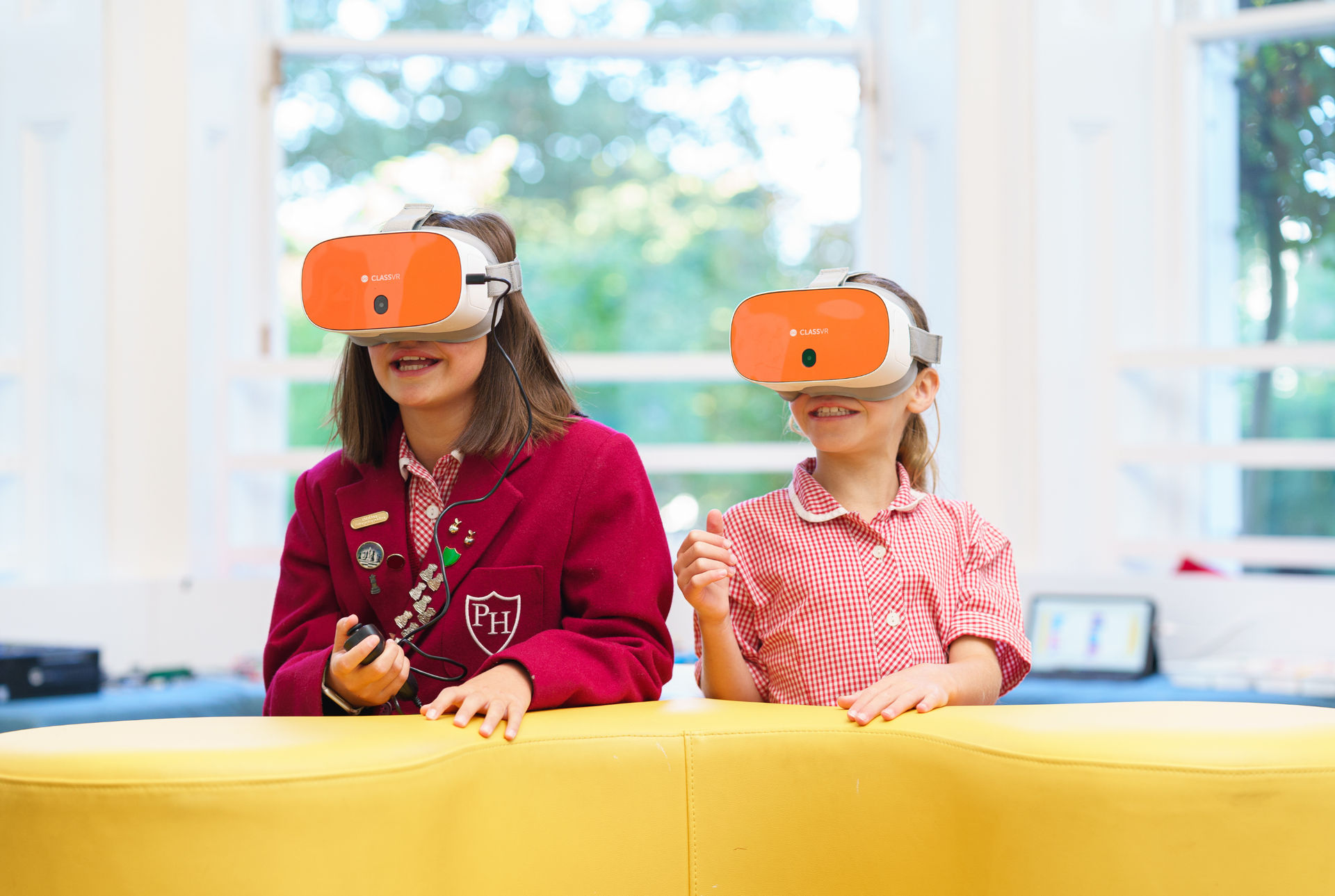
Building Virtual Worlds with ClassVR & CoSpaces
Walter School has been using ClassVR to capture their students’ attention and inspire their imagination
The #1 Google Expeditions Alternative
ClassVR is designed with education in mind, providing everything you need to easily deliver virtual reality in the classroom – the perfect Google Expeditions alternative!
ClassVR builds on the idea of virtual field trips with guided VR tours, real-time classroom controls, built-in lesson plans, and live student monitoring through ClassView — delivering everything Google Expeditions left behind.
How ClassVR Works in the Classroom
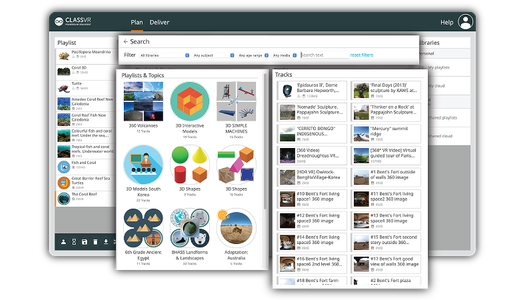
Select a trip from the curriculum-aligned library.

Drag and drop your scene into a playlist.

Launch from the Classroom Management Portal.
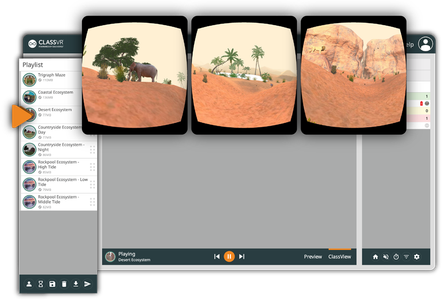
Monitor every student in real time and pause the room with one tap.
Free download: Building back stronger: New Thinking and Technologies Reshaping Education
This guide supports you navigating the evolving landscape of US education. Showing how innovation drives better outcomes, and shapes a brighter future for learners across the nation.
In this white paper, we’ll explore the profound impact of new approaches and
emerging technologies, ultimately paving the way for a more resilient, inclusive,
and thriving US education system.
Complete Form to Learn More
Frequently Asked Questions
What ages and grade levels are virtual field trips suitable for?
Virtual field trips can work for pretty much any age group, as long as they’re designed at the right level.
Early childhood (ages ~4–7, Pre-K to 2nd grade)
Keep it short, simple, and very visual. Things like virtual visits to zoos, farms, or aquariums work best. These usually need a lot of teacher guidance and discussion.
Elementary school (ages ~7–11, 3rd–5th grade)
Students can handle more structure and basic interaction. Virtual trips tied to subjects—like history museums, national parks, or space—are great. You can add activities like scavenger hunts or simple worksheets.
Middle school (ages ~11–14, 6th–8th grade)
Kids at this stage can explore more independently and think more critically. Virtual field trips can include simulations, historical reconstructions, or science explorations, especially with guiding questions or small projects.
High school (ages ~14–18, 9th–12th grade)
These can be much more in-depth—virtual lab experiences, career/industry tours, or detailed historical and cultural explorations. Students can analyze what they learn and use it in projects or presentations.
College and adult learners
Virtual field trips are also useful here, especially for things like virtual labs, professional site visits, or exploring places that would be expensive or impossible to visit in person.
Do I need WiFi or internet to run a virtual field trip?
With systems like ClassVR, you can run virtual field trips offline. The key is that you download the content ahead of time onto the headsets or device. Once everything is loaded, the experience runs without an active internet connection.
Here’s how it typically breaks down:
- With internet (Wi-Fi):
You’ll need it initially to browse, select, and download virtual field trip content, and to manage devices or lessons. - Without internet (offline use):
After downloading, students can access and explore the content with no Wi-Fi needed—ideal for classrooms with limited connectivity or unreliable networks. - Things to double-check:
Some features (like live updates, cloud-based assessments, or streaming new content) may still require internet access.
So your statement is right: ClassVR works offline, as long as you’ve preloaded the content you need.
How long does a typical virtual field trip lesson take?
With ClassVR, a typical virtual field trip lesson usually takes about 30–45 minutes total, but the actual headset time is only around 10–15 minutes, with the remaining time spent on classroom reflection and discussion, its plenty for students to stay focused and engaged without feeling overwhelmed.
Most ClassVR lessons have a short, simple set up time, to run and follow a 3-step process:
- Prepare / Launch the lesson
The teacher selects and loads the pre-made or custom virtual field trip content (often done beforehand or very quickly at the start of class). - Experience the VR field trip (10–15 minutes)
Students use the headsets to explore the virtual environment. This is the immersive core of the lesson. - Discuss / Extend learning
After the VR experience, students come out of the headsets and complete a discussion, worksheet, reflection, or follow-up activity to reinforce learning.
So in practice, the VR part is short and focused, while the real learning happens in the setup and follow-up activities around it.
Can teachers create their own virtual field trips?
Yes — teachers can definitely create their own virtual field trips, especially when using platforms like ClassVR.
In fact, ClassVR is designed to support both ready-made content and teacher-created experiences.
Teachers can:
- Upload their own 360° photos or videos
- Use our AI content creation tool – EduverseAI
- Curate content into custom playlists or “field trips”
- Add instructions, sequencing, and lesson structure through the ClassVR portal
- Combine existing resources with their own materials to match curriculum goals
What hardware do I need to get started?
Our Xplorer Headers are the perfect all-in-one VR field trip solution
Do students get motion sick using VR headsets?
Suprisingly to some, motion sickness is not common for students using VR. ClassVR is recommended to e used in 10-15 minute slots to slots to avoid issues.
How much does a virtual field trip cost compared to a physical trip?
A virtual field trip is usually much cheaper than a physical field trip—but the exact savings depend on the school, destination, and technology used.
Traditional trips usually include:
- Transport
- Entry tickets (museums, zoos, etc.)
- Staff/chaperone costs
- Insurance and logistics
- Meals or extras
- Accommodation
These are cost that are required for every single field trip
VR field trips usually include:
- Set of ClassVR headsets
An inital cost or monthly payments available through Grant and funding options – so you can focus your actual education budget on field trips.