
Creating memorable, immersive learning experiences is helping to transform the way students at Żokrija Secondary School Mosta in Malta engage with STEM. By enabling students to explore complex concepts in virtual reality, teachers have seen first-hand the impact immersive technology can have on student understanding, curiosity and participation.
Having experienced the benefits of using ClassVR through the College’s shared set of 24 headsets, which were used across ten schools, Żokrija Secondary School Mosta recognised the value of having its own dedicated set. Through Malta’s government-funded Open Horizons: Education Through Indoor and Outdoor Learning Scheme, the school secured funding to invest in its own set of ClassVR headsets, giving teachers the flexibility to plan immersive learning into the curriculum exactly when it would have the greatest impact on student understanding.
We spoke with Sharon Curmi, STEM Teacher at Żokrija Secondary School Mosta, about how ClassVR has increased student engagement, supported different learning styles and encouraged students to apply their learning in creative ways.
Increasing Student Engagement
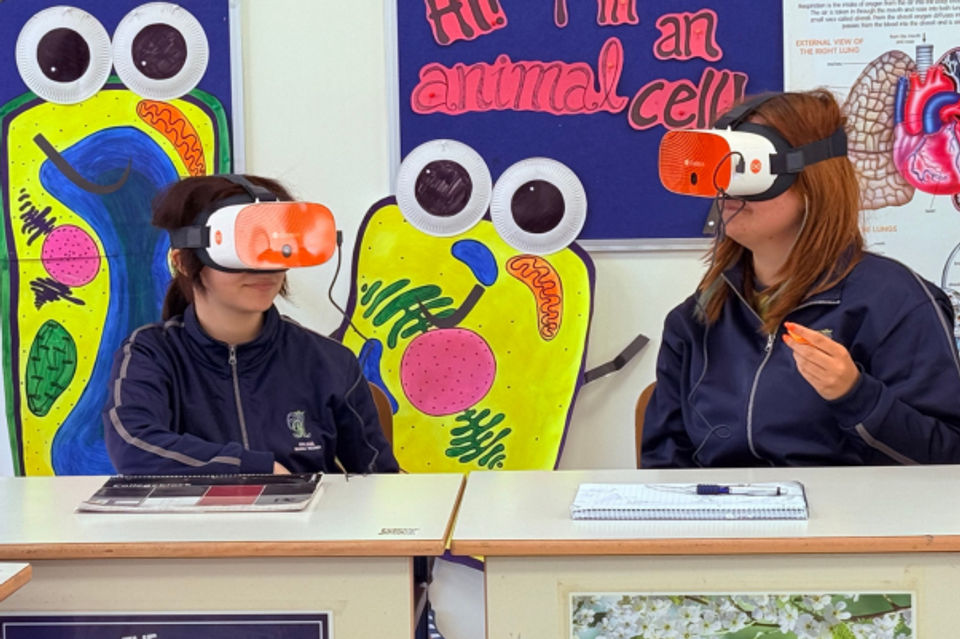
Sharon has always believed that technology should have a clear purpose in the classroom. When she introduced ClassVR, one of the first things she noticed was the way it encouraged curiosity and participation.
The immersive experiences prompted questions, sparked discussion and encouraged students to explore topics in greater depth. As Sharon explains, “Students became curious and were actively involved in the discussion. When they were seeing things in VR, they asked more questions about what they were seeing, which led to richer discussions and deeper exploration of the topic.” This increased level of participation has helped create more active, engaging and meaningful learning experiences for students.
Making Complex Concepts Easier to Understand
Some STEM topics can be challenging for students to grasp using textbooks or diagrams alone. While these traditional resources remain an important part of teaching, Sharon has found that immersive VR enables students to explore concepts in three dimensions and from multiple perspectives, helping to deepen their understanding.
This approach has been especially effective in science and biology lessons, where immersive experiences allow students to investigate structures and processes in greater depth.
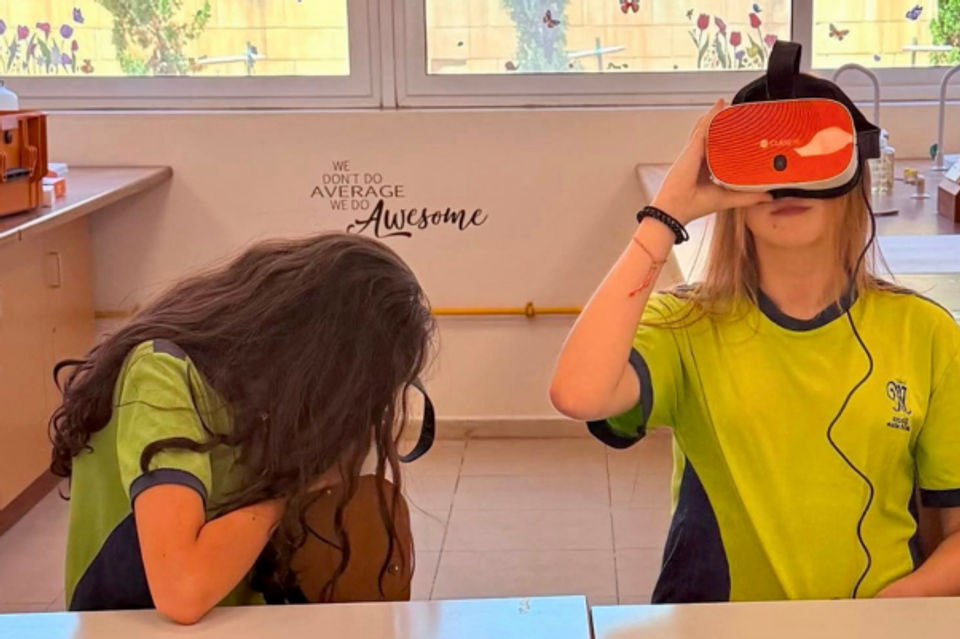
When learning about the breathing system, students used the Inside the Lungs explorable scene to investigate concepts they had already been studying in class. By exploring the lungs in an immersive environment, students developed a clearer understanding of how the breathing system works. As Sharon notes, “ClassVR helped students visualise complex structures and understand them more clearly. It supported different learning styles and helped make lessons more inclusive.”
Extending Learning Beyond the Headset
The immersive experience was just the beginning. Rather than ending when the headsets came off, learning continued as students applied and demonstrated their understanding in creative and meaningful ways.
After exploring the breathing system, students were challenged to showcase their understanding of ventilation through a project of their choice. Some built physical lung models using bottles and balloons, while others created illustrated explanations of the breathing process.
The creativity and enthusiasm students demonstrated particularly stood out to Sharon. One student took the task a step further, transforming her own drawings into an animated GIF that demonstrated how ventilation works. As Sharon reflected, “The learning didn’t stop when students took off the headsets, it extended learning in so many ways.”
Giving Teachers the Confidence to Embrace VR
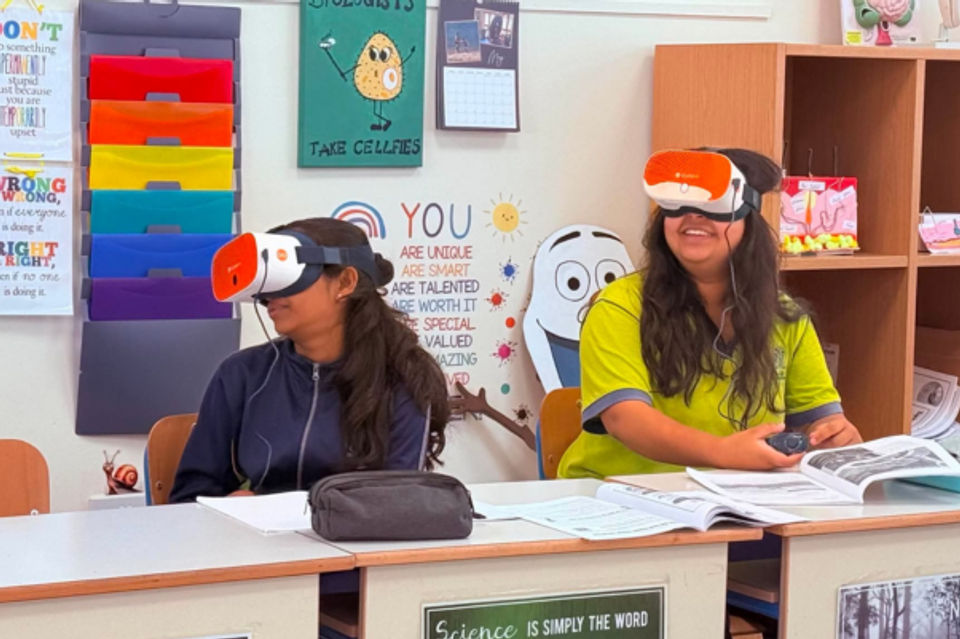
For Sharon, ClassVR’s intuitive classroom management tools have made it easier to use immersive technology confidently as part of everyday teaching.
Being able to see exactly what students are viewing, guide them through experiences and keep the class focused on the learning objective helped address some of her initial questions about using VR in a busy classroom environment.
As Sharon explains, “When considering different VR solutions, we chose ClassVR because it is clearly designed with education and classroom use in mind. The classroom management system allows teachers to control exactly what students see and guide them through the experience, making it much easier to manage lessons and keep students focused on the learning activity.”
The ready-to-use resources available through the ClassVR portal, together with the extensive Eduverse+ content library, particularly the science and human anatomy resources, have also helped streamline lesson preparation, making it easier to incorporate immersive learning into lessons.
For Sharon, this combination of classroom management tools and curriculum-aligned content has made ClassVR a practical solution that teachers can use confidently across a range of subjects. As more teachers have seen the impact of ClassVR in action, interest in using immersive technology has continued to grow across the school.
Looking Ahead
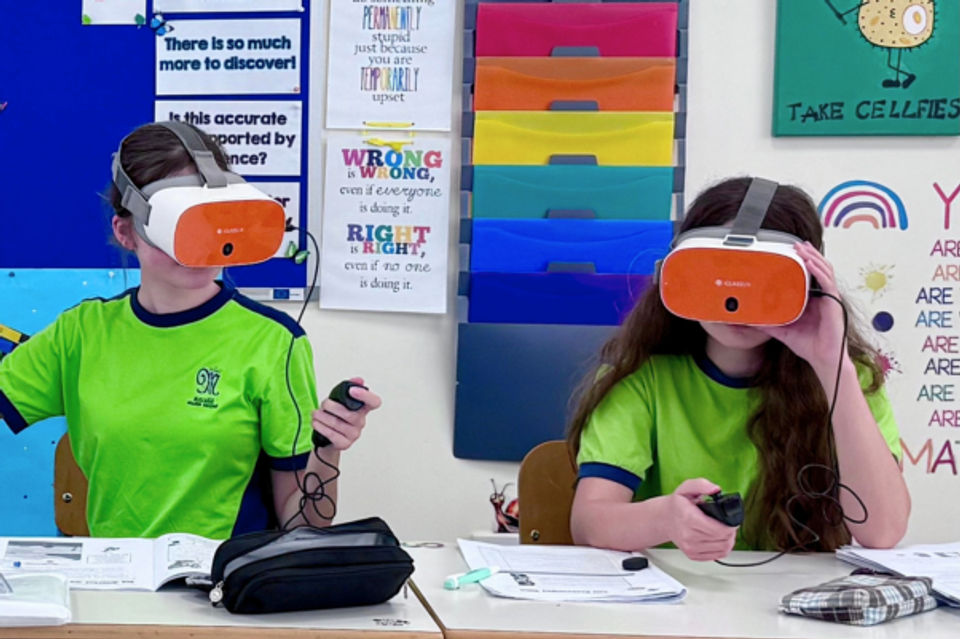
As ClassVR continues to play an important role in teaching and learning at Żokrija Secondary School Mosta, the school is building on this momentum, with more teachers exploring how VR can enhance everyday lessons.
ClassVR also forms part of the school’s wider commitment to STEAM education. Building on the success it has already seen in the classroom, the school plans to incorporate VR into future Żokrija STEAM Café events, creating even more opportunities for students to explore, collaborate and engage with immersive learning experiences.
Looking to the future, Sharon is excited to continue expanding the use of immersive technology to support STEM education and inspire curiosity across the school. As she explains, “It’s not about using VR for the sake of it. It’s about using it as a tool that adds real value to learning.”