
Every year, students look forward to their class trips, student exchanges and activity weeks, all of which provide opportunities for students to interact with others, understand other cultures, reflect on their world views and create lifelong memories. However, for most schools across the world, local and national, let alone international school trips, have not been possible and these experiences have been missed for millions of students. As a result, schools are turning to innovative solutions like VR field trips.
If we told you that field trips were still possible this year you might call us mad, but they are, just virtually!
What Are Virtual Field Trips?
A virtual field trip is a digital learning experience that lets students explore real-world places, past or present, without physically leaving the classroom. Teachers guide students through museums, rainforests, landmarks, space missions, and underwater habitats using 360° imagery, video, and interactive VR content.
Formats range from pre-recorded video and 360° panoramic tours to live-streamed events and fully immersive VR. The immersive end is where ClassVR sits, and it’s where the real gains in engagement, knowledge retention, and accessibility happen. A flat video can teach. A VR headset makes students feel like they’re actually there, which is why research from Stanford and others consistently shows stronger recall on place-based topics after a VR field trip than after a traditional classroom lesson.
Virtual field trips also solve problems traditional trips can’t: no coach hire, no permission slips, no lost lesson time, and full inclusion for students with mobility, sensory, or anxiety needs. Every VR scene in ClassVR’s Eduverse library ships with teacher guidance and lesson plans mapped to US curriculum standards, so the trip supports the unit you’re already teaching rather than replacing it.
Make VR Field Trips Possible with ClassVR
ClassVR provides 1000s of virtual reality experiences for students to explore, all without leaving the classroom! So, without the worry of risk assessments, extensive planning and parent permission, you can take your students to anywhere in the world, all from a click of a button.
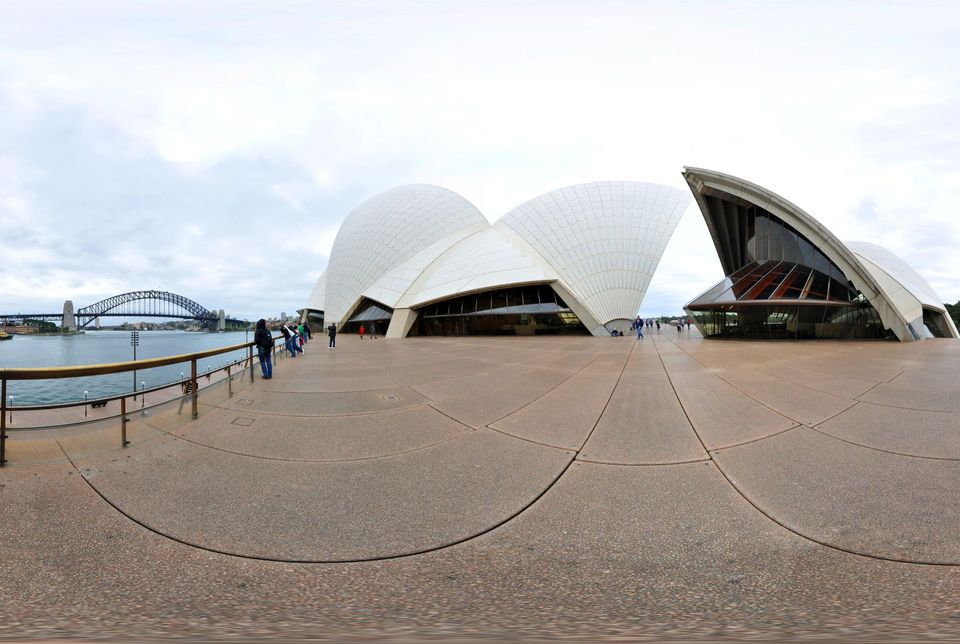
Maybe you start your journey by taking your class to Australia to visit the Sydney Harbour. Next stop, a short trip across the Pacific Ocean to explore the Grand Canyon in the USA. Or why not trek through the Tanzanian Rainforest or take a stroll by the marina in Dubai? The world is your oyster!
Planning Your VR Experience
With ClassVR, it is simple to begin your trip around the world. Directly from the ClassVR portal, you can browse 360 images, videos and explorable scenes, add to your playlists using the drag and drop functionality and you’re ready to push to your ClassVR headset to start exploring! VR field trips are so much easier to run and allow you to focus more on what matters, high-quality teaching, excellent student progress and providing opportunities to inspire, motivate and challenge your students.
And, of course we can’t forget, having lots of fun whilst doing so!
TOP TIP: *Don’t forget, you can preview any videos before downloading them by leaving your headsets locked and launching the clips directly.
As with all our new content releases, these categories will be growing and evolving over time – so don’t forget to check back often to see what new content we’ve added!
We are keen to hear feedback from schools all over the world on what content you would like to see us build for you next, so if you have any suggestions of resources you’d like to use or lessons you want to teach, just drop our Educational Services team an email at community@classvr.com
Frequently Asked Questions
What is a virtual field trip?
A digital learning experience that lets students explore real-world places (museums, landmarks, natural environments, even the surface of Mars) without leaving the classroom. They can be pre-recorded video, 360° panoramic tours, live-streamed events, or fully immersive VR.
How is a VR field trip different from a virtual field trip?
A virtual field trip is any digital trip. A VR field trip uses a headset to create spatial presence, so students feel physically inside the scene rather than watching it on a screen. Both are useful, but VR drives stronger engagement and retention.
Do I need VR headsets to run one?
Not for every format. 360° tours and video-based trips work on tablets, Chromebooks, or an interactive whiteboard. For the full immersive experience you need VR headsets. ClassVR provides standalone classroom headsets with no phones, no cables, and central teacher control.
How long should a virtual field trip last?
For headset-based trips, 10 to 20 minutes is ideal. The richest learning comes in the debrief that follows, so plan the trip as the middle of a 45 to 60 minute lesson, not the whole lesson.
What is the best alternative to Google Expeditions?
Google Expeditions was retired in 2021. Most schools that used it have moved to ClassVR, which offers a broader curated library, classroom-grade headset management, and curriculum-aligned lesson materials Expeditions never had.