
STEM VR Education
Drive Student engagement with future-focused learning.
VR in Education for STEM Students
With tools like ClassVR, teachers can adapt content to individual needs, reducing barriers, supporting communication, and creating calming or stimulating spaces as required. These experiences not only make learning more accessible but also help learners build confidence, develop social and emotional skills, and actively participate in their education.
The Xplorer Headset: Enhancing Learning for STEM Students
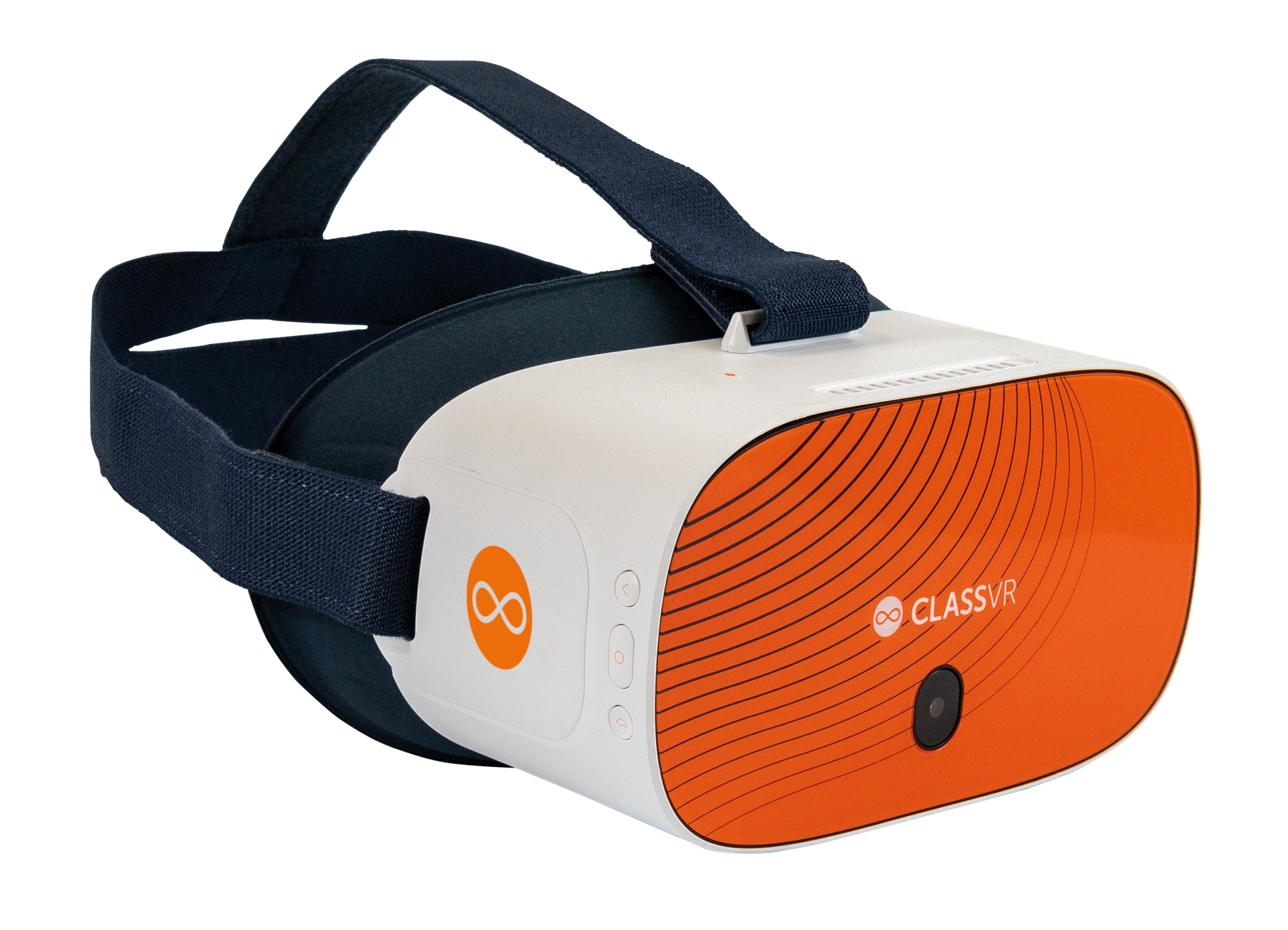
Why Schools Choose ClassVR
- Built for Education
- Simple to Use
- Proven Results
- Globally Trusted
ClassVR in Science Labs
A snapshot of immersive learning in action.
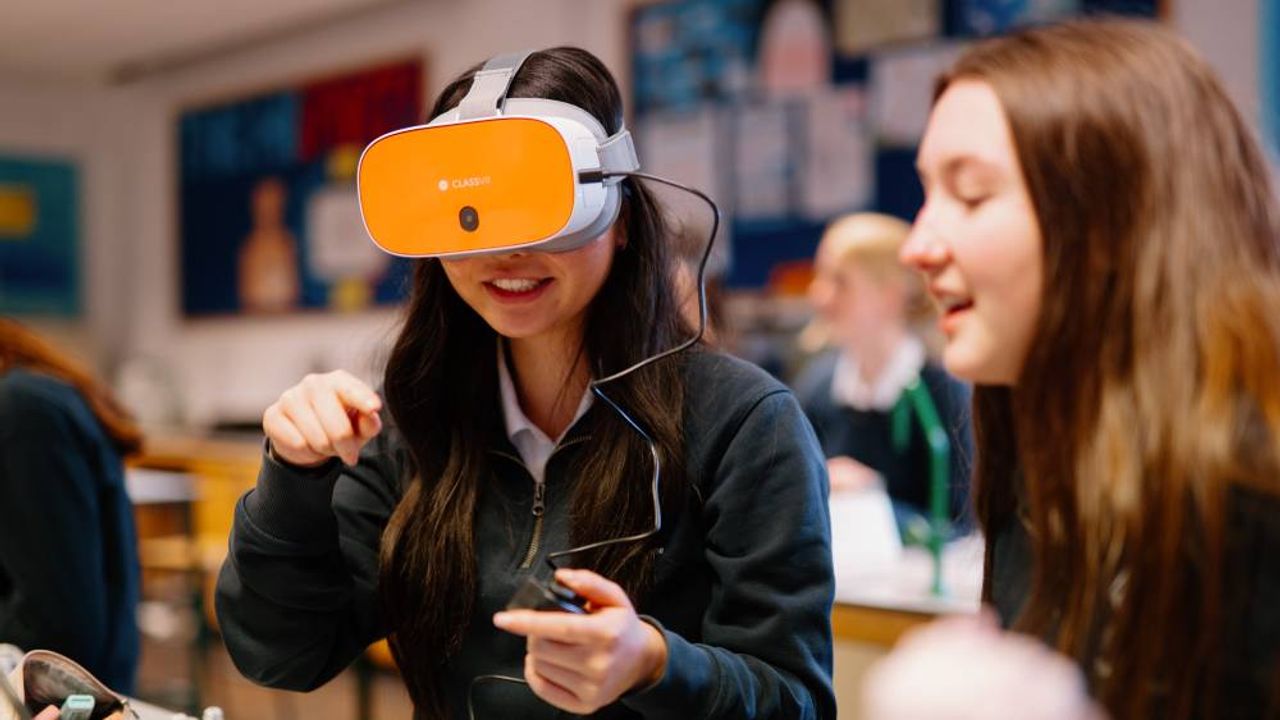
Use ClassVR for any STEM teaching element
Our immersive curriculum content includes:
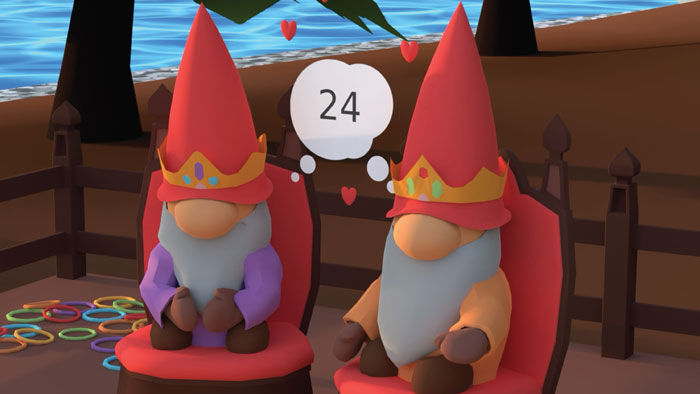
Mathematics
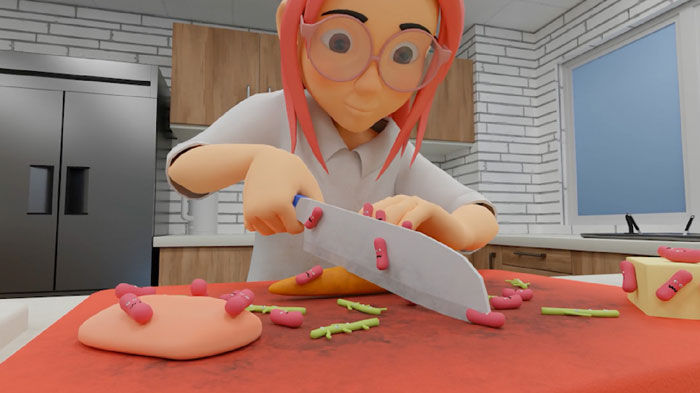
Biology
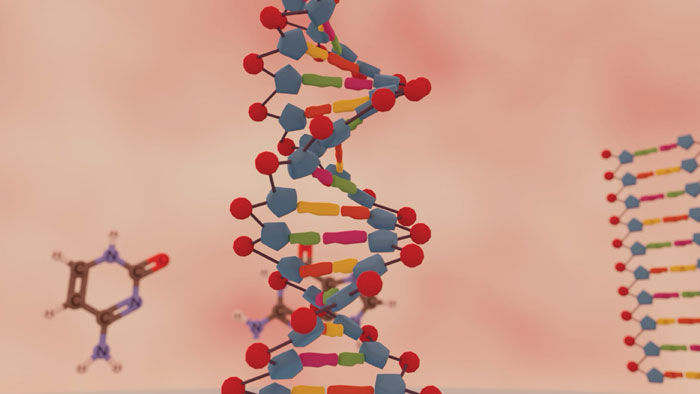
Chemistry

Physics
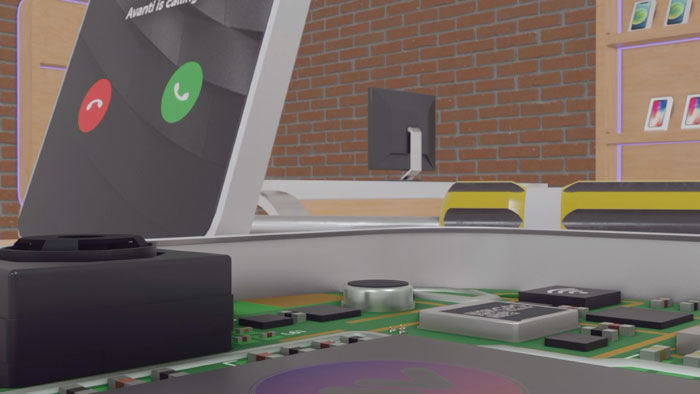
Design Technology
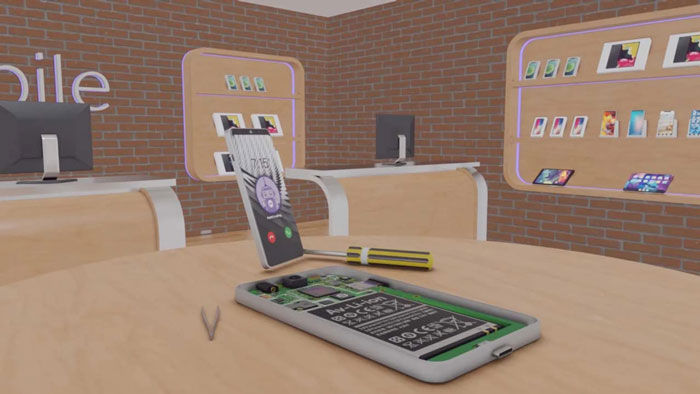
Computing
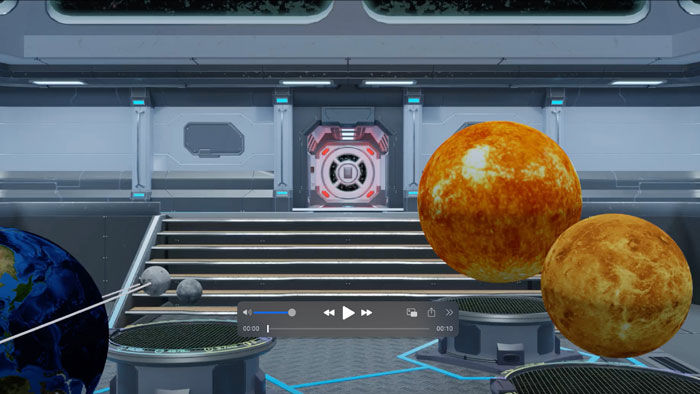
Astronomy
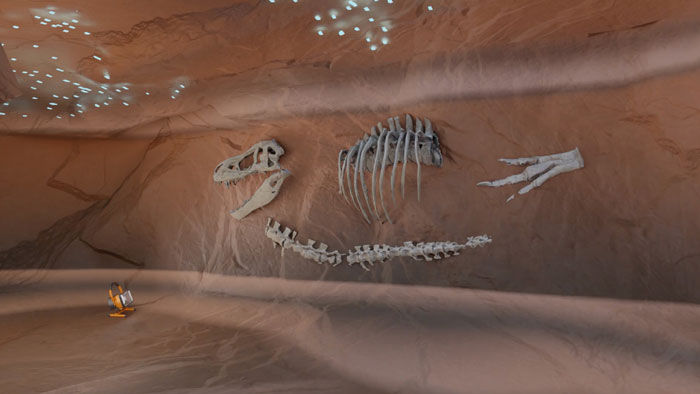
Palaeontology
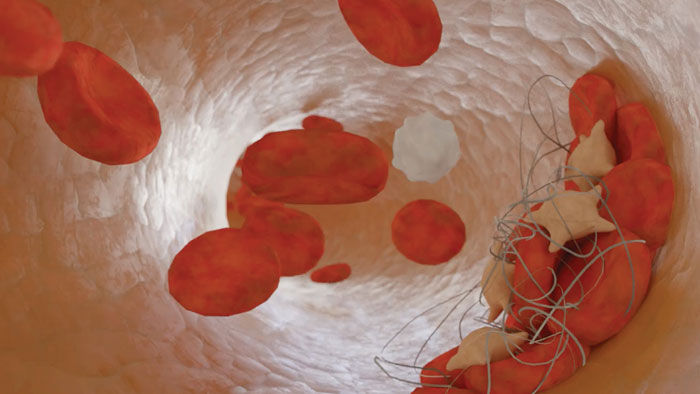
Human Biology
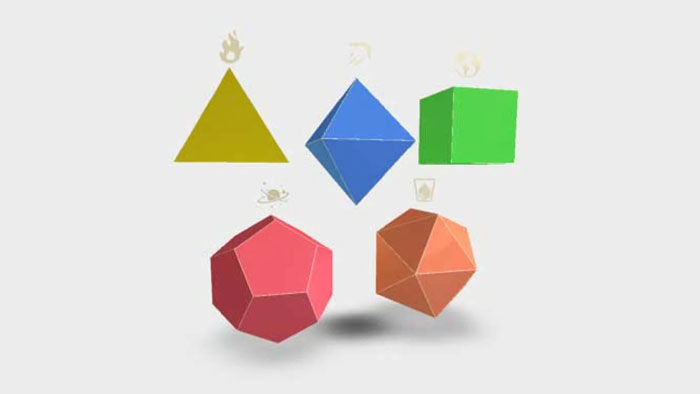
Geometry

Geography

Culture
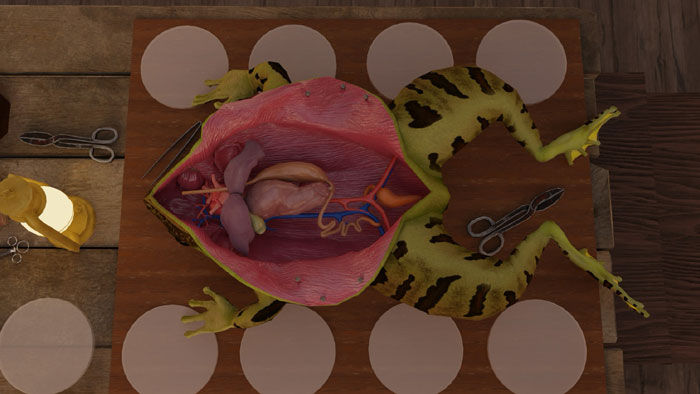
Animal Biology
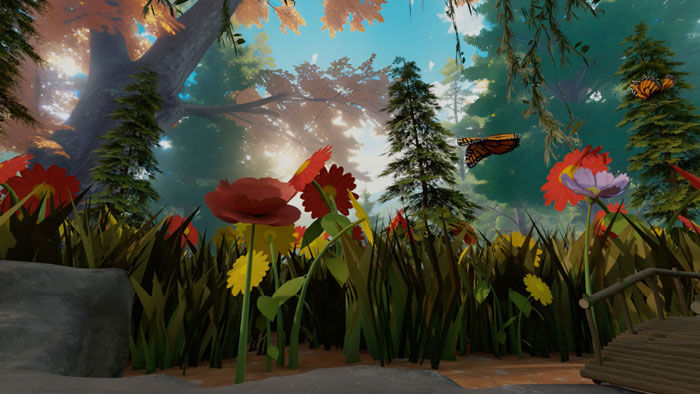
Plant biology
Want to Learn More?
Our friendly team is here to answer your questions, show you how the content works, and help you explore how ClassVR can fit into your teaching.
How VR/AR Benefits STEM Students
Complex Modules made simple with 3D Models
Bring complex ideas to life by letting students see and experience them up close – right in the palm of their hand.
With ClassVR’s AR cube, learners can hold, rotate, and examine 3D models as if they were real objects in the palm of their hands, making abstract concepts tangible and interactive.
From studying the intricate details of a human heart to viewing tools from every angle, 3D models spark curiosity, deepen understanding, and bring subjects to life in ways textbooks never could.
Safe Experimental Learning
ClassVR provides a safe space to learn new things and experience complex or potentially dangerous tasks. From virtual chemistry labs to career training in STEM industries, VR offers an environment where students can make mistakes and learn without any cost or safety consequences.
Inspire, See, Believe
Virtual Reality takes students directly into the world of STEM. By allowing them to be fully immersed in STEM careers, they can experience life as a scientist, engineer, or tech entrepreneur. This gives students the opportunity to imagine themselves in these roles and builds their confidence that they can achieve success in a STEM field.
Improved Knowledge Retention & Performance
Active, hands-on learning in immersive environments leads to deeper understanding and better long-term recall.
A study by PWC showed VR increased exam results by 4%
Find out how ClassVR can transform STEM learning in your school
Classroom Innovation – The Power of VR in STEM Teaching

What is a STEM lab? A Complete Teacher’s Guide

How to Integrate STEM in an Augmented Reality Lab
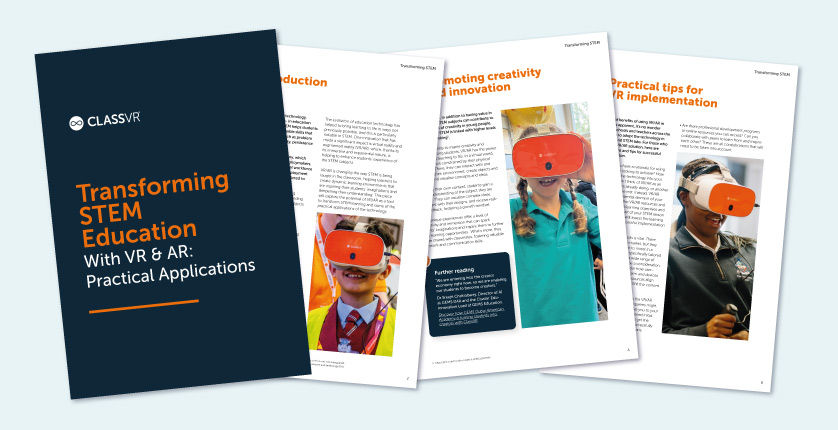
Transform STEM with VR and AR teaching
Using ClassVR in STEM Subject Lessons
/2444_main_1751002804.jpg?updatedAt=1757436751585)
Mathematics: Lines and Angles
Discover how explored angles and lines around the classroom to enable students to have a tactile, first-hand experience of these concepts.

Science: Space
Read how our VR headsets allowed students to experience life at NASA and going to space.
/2487_main_1750784404.jpg?updatedAt=1755031648483)
Biology
Read about how schools integrate ClassVR integrate ClassVR into their practical lesson on investigating cells.
Frequently Asked Questions
What is virtual reality?
The easiest way to explain virtual reality or “VR” is through your senses. Imagine you’re at the seaside. How do you know you’re by the ocean?
The answer is through using your senses. You can see the water, hear the waves, feel the sand…
Virtual reality works in exactly the same way! You’re presented with information that your senses tell your brain are reality. The only difference is that this information is provided through technology. So instead of standing on a real beach, you’ll see a 360° or video of the ocean, hear a recording of the waves, but it feels like you are actually there.
Read our blog to find out more here.
How can VR support SEND learners?
Virtual Reality is a powerful tool for supporting SEND learners when used within the education sector.
Virtual Reality allows SEND students to learn and explore new situations within a safe, controlled environment helping reducing anxiety about exploring new placing and increasing confidence in handling immersive tasks.
VR offers a new approach to learning that goes beyond a textbook, creating a multi-sensory learning experience where sight, sound make lessons more engaging and abstract concepts easier to grasp.
For students with sensory processing needs, VR can provide calming, structured environments that help regulate emotions before returning to classroom learning.
What types of SEND can benefit from VR?
Virtual Reality can support a wide range of Special Educational Needs and Disabilities by offering immersive, personalised, and low-pressure learning environments.
Here’s a breakdown of the types of SEND that can benefit most:
- Autism Spectrum Conditions – ClassVR offers role-play scenarios to help develop social and communication skills, along with sensory immersive scenes to support emotional regulation.
- Attention Deficit Hyperactivity Disorder – increase focus and attention in lessons by using immersive content that’s engaging and interactive.
- Speech, Language and Communication Needs – visual prompts and immersive storytelling aid language development, VR has also been proven to encourage expressive and receptive communication.
- Physical Disabilities – VR enables access to new environments and experiences that may be physically inaccessible, like safaris and mountain tops.
- Social, Emotional, and Mental Health – calming sensory experiences to lower stress and anxiety.
Can VR be used in group settings?
Yes! ClassVR can be used in both individual and group settings. Our headsets are available in sets of 4, 8, or 30 to suit different classroom needs.
Many schools use ClassVR to boost engagement during lessons, while others deploy it to support SEND students. For instance, when a student feels overstimulated, using a headset for five minutes can help them regulate their emotions, allowing them to stay in class and continue learning without disruption.