
VR for Preschool
Inspiring the Next Generation to be Curious
VR in Education for Ages 3–5
Early education is all about learning through experience. With ClassVR, schools can give their youngest learners the chance to step into immersive virtual reality environments that complement real-world play and exploration, building a solid foundation for communication, problem-solving, and curiosity from the very start.
From developing language through to imaginative storytelling, ClassVR provides experiences that bring early years education to life. Children can explore awe-inspiring worlds, discover new concepts, and build essential skills in ways that feel playful and memorable.
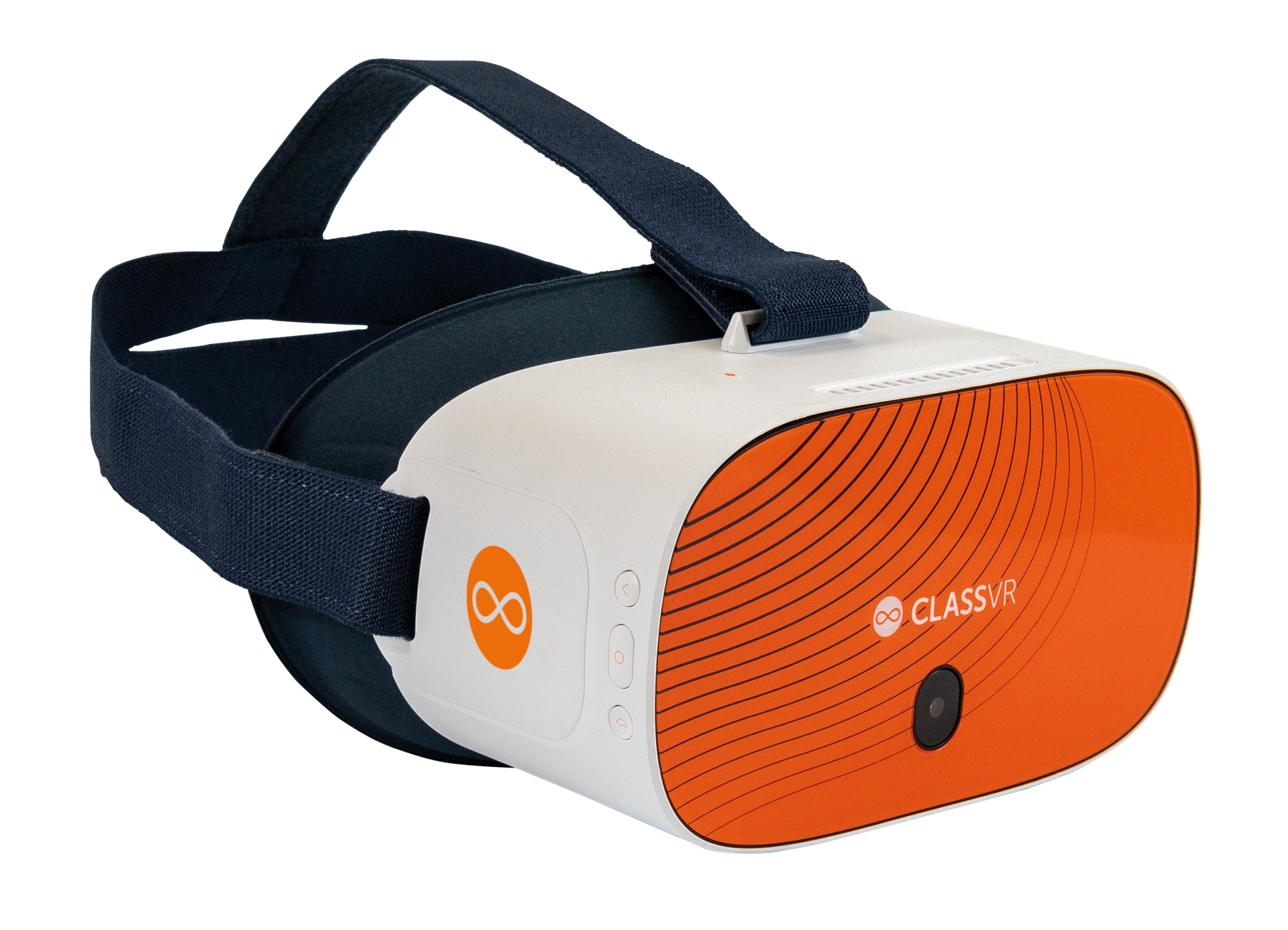
Our Xplorer Headset is Designed for Young Learners
Xplorer is designed with younger learners in mind, featuring an adjustable strap, customisable screen, and easy-to-clean hardware. It’s a practical, engaging way to enrich early learning through exploration, imagination, and discovery.
Why Schools Choose ClassVR
- Built for Education
- Simple to Use
- Proven Results
- Globally Trusted
Build Early Communication Skills
Language and communication are the foundations of learning.
ClassVR immerses young children in exciting experiences that spark imagination, encourage vocabulary growth, and inspire conversations through play and discovery.
Create Memorable Experiences
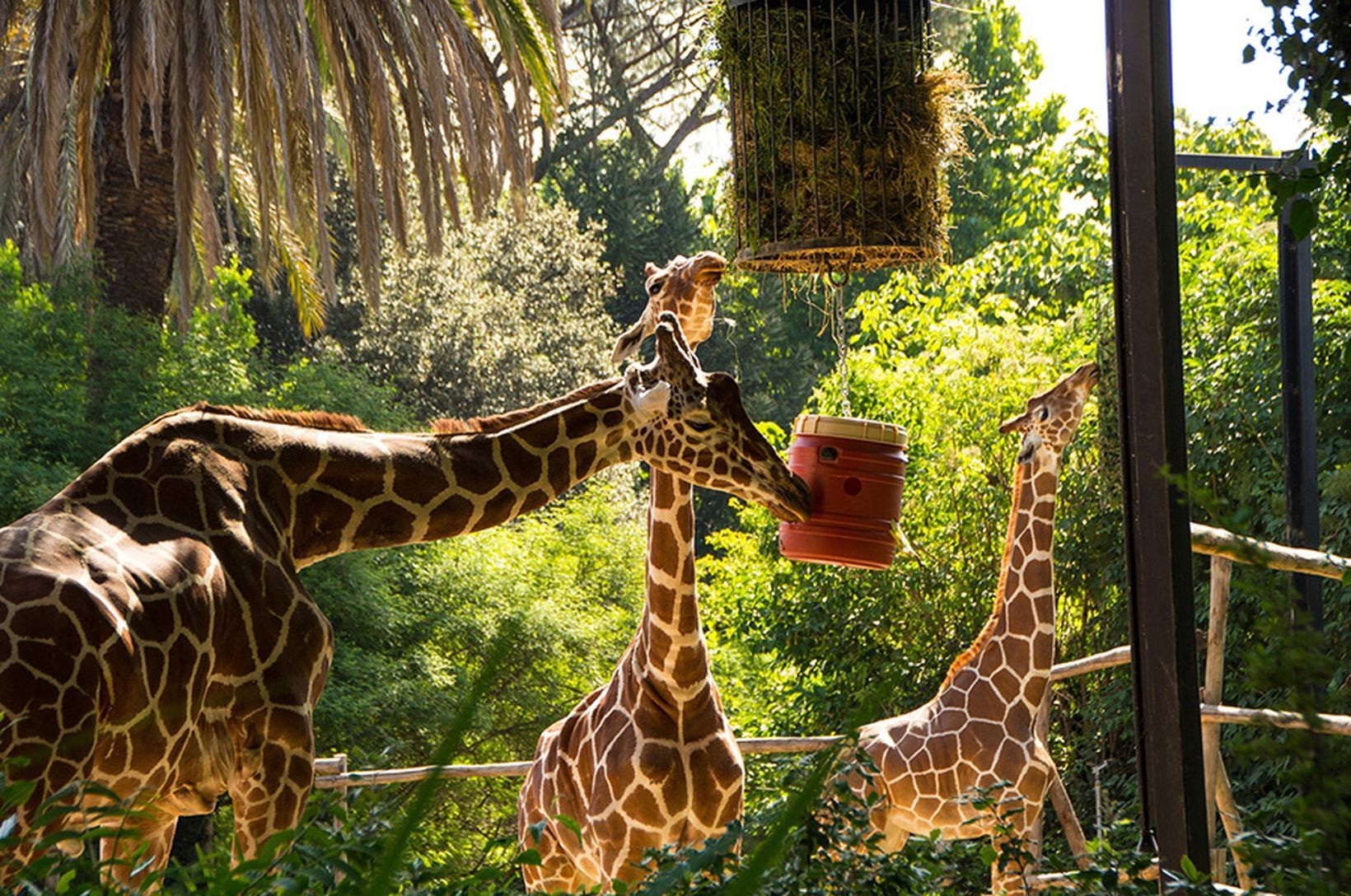
From exploring the moon to diving under the sea, ClassVR opens doors to experiences beyond children’s immediate world.
These awe-inspiring journeys nurture curiosity and build confidence.
Unlock Creativity Through Play
ClassVR creates safe spaces for children to explore stories, role-play scenarios, and explore imaginary worlds – developing creativity, confidence, and self-expression.
Grow Social and Emotional Skills
Immersive experiences give children a shared focus, encouraging them to practise turn-taking and cooperation while exploring together. ClassVR creates opportunities for young learners to build social awareness in engaging meaningful contexts.
Find out how ClassVR can Enrich Early Years Education
How ClassVR Benefits Learning
Compared to learners taught with more traditional teaching methods, learners using a VR headsets are:

4x
More Focused

4x
Quicker to Retain Knowledge

275%
More Confident in Applying Learnings
*source: PWC
EARLY YEARS VR CASE STUDY: Early Communication (Student Age 3-4)
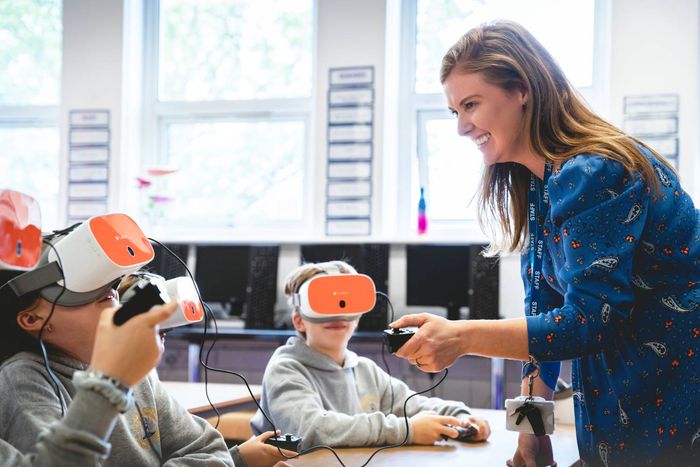
This lesson took place in a nursery class of 23 children aged three to four; there is a high proportion of English as an additional language and bilingual pupils.
Our baseline assessments demonstrate a low entry level for most children in communication and language skills; as such, we decided to incorporate as much visual and immersive learning as possible to support and accelerate the children’s language skills.
Complete Classroom Control for Teachers
ClassVR is the only all-in-one solution built specifically for education.
Its powerful device management features create a secure, controlled learning environment where students can only view curated content provided by the teacher.
With the ClassVR Portal, teachers can monitor and manage every headset remotely, ensuring full oversight and engagement throughout each lesson.
Frequently Asked Questions
How long do early years students use VR for?
ClassVR experiences for early years are designed to be brief and interactive, providing a spark for learning rather than longer sessions.
What is ClassVR for early years?
ClassVR is a safe, education-ready VR solution designed to give young children immersive experiences that spark curiosity, imagination, and early learning across the curriculum.
How does VR support early communication skills?
With ClassVR, early learners can step into story settings, or explore real-world environments, encouraging children to describe what they’re seeing, ask question, and build vocabulary in meaningful contexts.
Are ClassVR headsets durable for young children?
Yes. ClassVR headsets are built for classroom use, with robust design. They can withstand everyday handling in early years environments, making them safe and practical for younger learners.