
Preparing students for future careers can be challenging. Many leave school with knowledge but without the practical skills or confidence needed to succeed in the workplace.
So, what does Career and Technical Education mean? Career and Technical Education (CTE) combines classroom learning with hands-on experiences, helping students explore careers, develop essential workplace skills and build confidence. According to Forbes, these programmes give students the opportunity to discover their strengths, gain practical skills and leave education ready for the world of work.
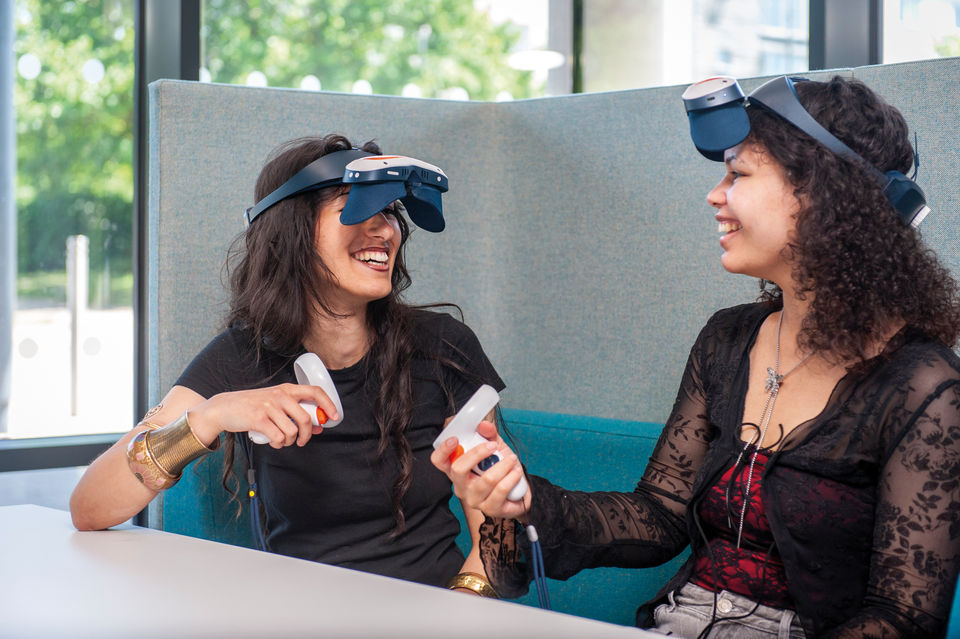
With immersive VR experiences through our latest Xcelerate headset, paired with EduverseCTE, students can step inside realistic workplaces, practice tasks safely and explore different career paths before entering their preferred career.
The Difference Between Career Training and Traditional Education
raditional education is centred on classroom-based learning that is aligned with the curriculum. While this builds a strong academic foundation, many students leave school without the practical real-world skills and confidence needed to enter the workforce.
Career and Technical Education goes beyond this. It focuses on hands-on learning that bridges the gap between classroom theory and vocational careers, giving students the opportunity to develop both soft skills and technical skills. Through active practice, students gain real experience with tasks, tools and workplace scenarios that mirror what they will face after school.
Career and Technical Education can be split into three main areas:
- Career Readiness: Builds essential workplace skills such as communication, teamwork and professionalism.
- Vocational Development: Provides training for specific careers in high-demand industries such as healthcare, hospitality and manufacturing, helping students gain confidence and practical skills for future employment.
- Career Exploration: Helps students understand different industries and make informed decisions about their future.
By combining hands-on practice with academic learning and career exploration, CTE ensures that students are both knowledgeable and workforce-ready, equipped with both the soft and technical skills they need to succeed.
Benefits of Career and Technical Education
Career and Technical Education offers multiple benefits for students and educators.
Safe Practice and Hands-On Learning:
With EduverseCTE, students can step inside realistic workplace scenarios, try different tasks and build both soft skills and technical skills safely before entering their preferred career path. Using the latest Xcelerate headset, students gain immersive, hands-on experience that bridges the gap between classroom learning and real-world practice.
Prepare Students for the World of Work:
Hands-on CTE programmes give students practical experience that employers value. By exploring multiple roles and experiencing workplace expectations firsthand, students develop transferable skills and build confidence that helps them successfully transition into apprenticeships and employment.
The Evolution of Career and Technical Education
Career and Technical Education has evolved from focusing on traditional trades to covering sectors such as healthcare, hospitality and manufacturing.
Modern CTE blends academic learning with hands-on experiences. With the latest Xcelerate headset and EduverseCTE, students can practice real-world skills in immersive simulations, build confidence and prepare for the demands of today’s workforce.
Career Opportunities Through Career and Technical Education
Career and Technical Education opens the door to many different industries and roles. Immersive experiences help students explore these opportunities in engaging ways, giving context and understanding that traditional lessons often cannot.
With EduverseCTE, students can step into a variety of careers through VR simulations before committing to a particular path, such as:
- Healthcare roles: Students can step into clinical environments and experience roles such as nursing assistant or dialysis technician. These simulations allow them to practice realistic tasks while developing both the soft skills and technical skills required in healthcare settings.
- Skilled trades: Virtual workshops give students the opportunity to practice techniques such as welding in a safe environment. By repeating tasks, students gain confidence in practical skills needed before entering real-world training.
- Hospitality and leadership: Students can experience roles such as executive chef, where they practice coordination, communication and leadership within fast-paced, realistic scenarios that reflect workplace expectations.
- STEM and forensic careers: Through immersive investigations, students can explore crime scene analysis and related scientific roles, developing analytical thinking and attention to detail.
These immersive experiences give students the opportunity to explore, compare and understand multiple career paths, helping them make informed decisions about their future.
For more examples of careers students can explore using VR, see our 6 Careers Students Can Explore in Virtual Reality blog.
Preparing Students for Real-World Careers
Career and Technical Education bridges the gap between classroom learning and vocational career pathways. By combining practical experience, career exploration and hands-on skills, CTE gives students the confidence and real-world experience they need to thrive in tomorrow’s workforce.
Discover how immersive VR experiences can help your students prepare for real-world careers. Book a free demonstration at https://www.classvr.com/book-a-demo/.