
Learning Doesn’t Begin With Content
In classrooms today, the challenge facing educators isn’t motivation, it isn’t curriculum and it certainly isn’t effort… it’s regulation.
Across mainstream settings, more learners are arriving at school already overwhelmed: by noise, pace, social pressure, emotional load, or sensory input. When regulation slips, learning doesn’t stall gradually. It stops.
Teachers see it every day, a learner who can’t settle, a learner who shuts down a learner who needs support right now – while the lesson continues.
The Gap Between Need and Support
Schools are doing more than ever to support wellbeing and inclusion. Yet many of the tools available rely on approaches that unintentionally remove learners from learning:
- Leaving the classroom to calm down
- Waiting for specialist support
- Using spaces or strategies that aren’t available at the moment of need
The result is a growing gap between what learners need and what classrooms can realistically provide in real time. The question isn’t whether support exists, it’s whether it’s available when it matters most.
Regulation is Not an Add-On
Emotional and sensory regulation is often treated as something separate from learning, something to address before or after the lesson. But for many learners, regulation is the gateway to learning. Until a learner feels calm, safe, and grounded, no amount of explanation or encouragement will unlock engagement. It’s something classrooms need better tools to respond to.
Why Environment Matters
One of the most powerful influences on regulation is environment: light, sound, visual, movement and predictabilityplay a part in dysregulation. When these elements overwhelm, learners struggle to think, process, and participate. Traditional classrooms offer limited flexibility in this regard. You can’t easily lower the noise, simplify the visuals, or pause the emotional intensity of a busy room.
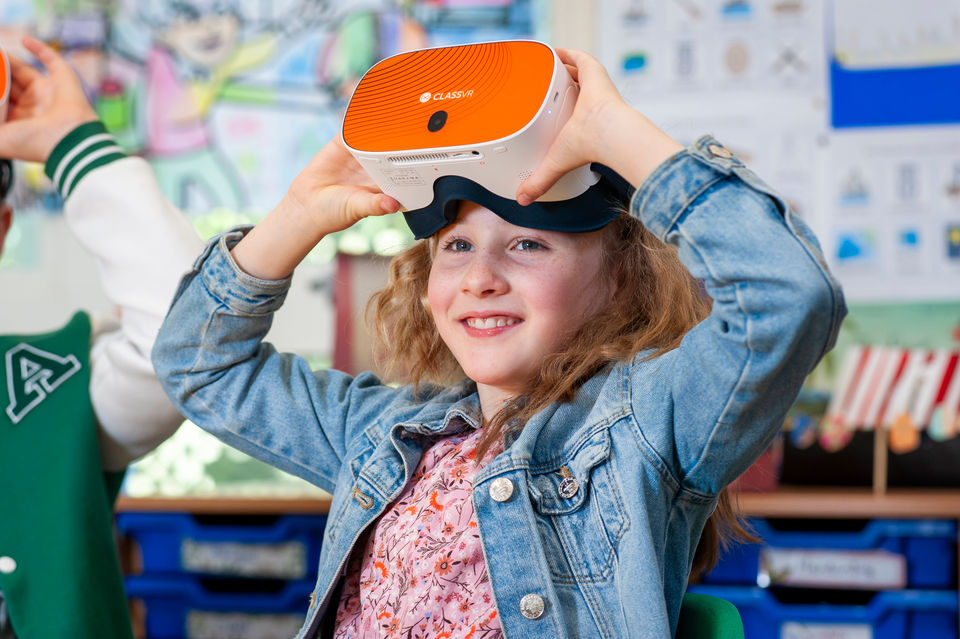
Immersive environments can. By controlling sensory input, VR technology offers something no other intervention can: temporary relief from overload without physical removal from learning.
Supporting Learners Where They Are
Thoughtful use of immersive environments allows learners to:
- Reset when emotions feel heightened
- Regulate sensory input in a controlled way
- Refocus and return to learning more ready than before
Crucially, this support can happen within the rhythm of the school day, not outside it. It’s not about escape, it’s about restoration.
Inclusion Without Labels
Not every learner who struggles needs a diagnosis. Inclusive practice means designing support that works for a wide range of learners, quietly, flexibly, and without stigma. Tools that can be used by different learners, for different reasons, at different times, because regulation looks different for every mind.
Rethinking Readiness To Learn
If learning truly begins with readiness, then schools need solutions that help create it, not just measure it or manage its absence. That means moving beyond: one-size-fits-all strategies, reactive behaviour management support that only exists outside the classroom and towards tools that help learners regulate, refocus, and re-engage – in the moment.
A Shift Worth Making
This is not about replacing teachers, classrooms, or relationships. It’s about equipping educators with better ways to respond when learners need support most, because when learners feel regulated, learning can begin.
And when classrooms are designed for difference, everyone benefits.