

Virtual & Augmented Reality for Middle Schools
Empowering Students with Immersive Experiences
VR in Education for Ages 11–14
ClassVR is built to meet the needs of middle school learners, combining standards-aligned content with immersive experiences that make learning engaging and relevant. At this stage, students are ready to think critically, compare perspectives, and explore more complex ideas, while still benefiting from structure, motivation, and meaningful experiences.
With ClassVR, teachers can deliver collaborative activities that spark discussion, independent exploration that builds confidence, and calming environments that support focus and emotional regulation. The result is more impactful lessons and students equipped with the skills and confidence to thrive in high school and beyond.
Xplorer: The Trusted VR Solution for Middle School Education
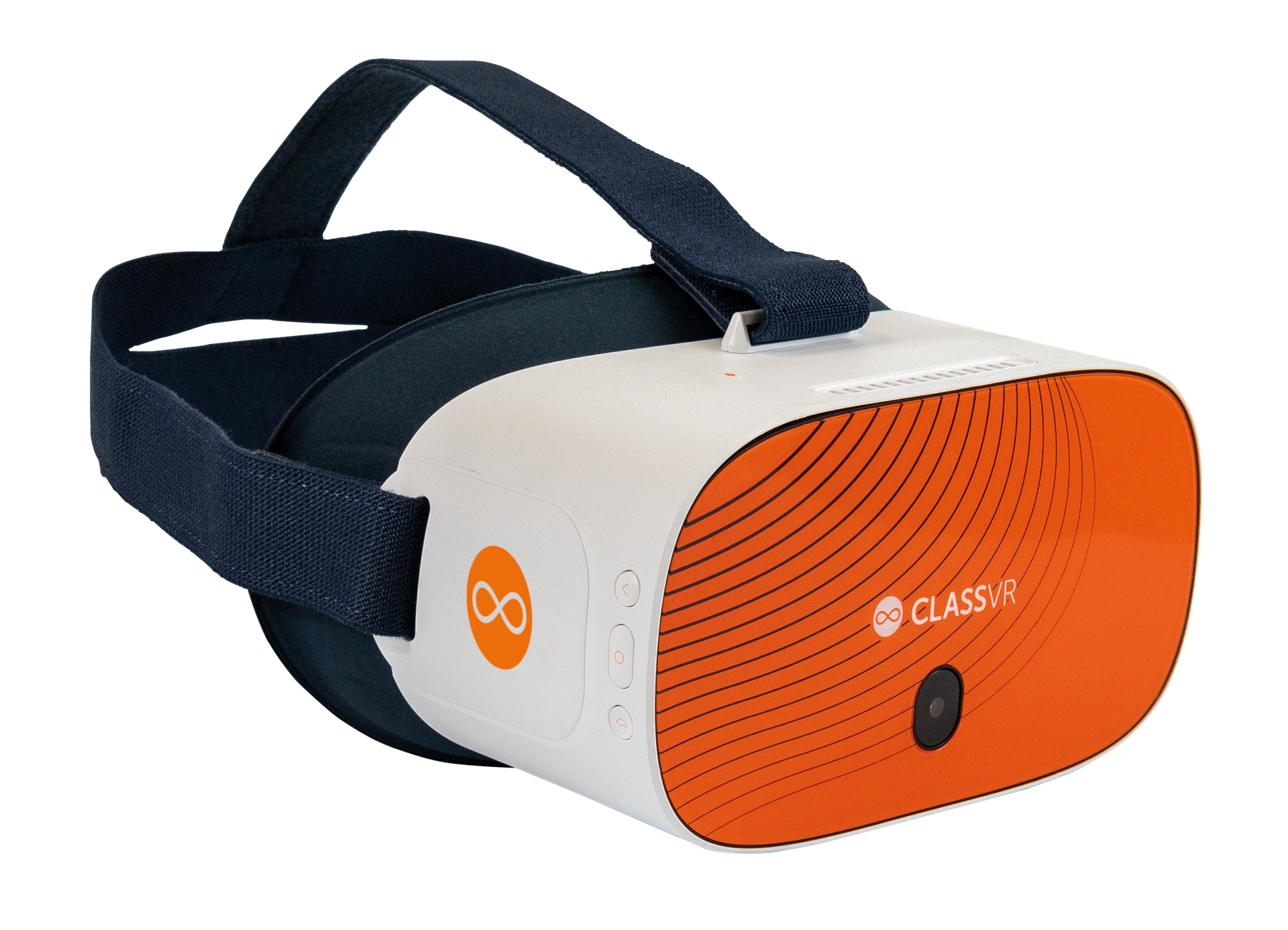
Xplorer is purpose-built for education, offering adjustable straps, durable hardware, and easy-to-clean features. Its intuitive interface and full teacher controls make it simple to manage both group and individual activities.
Why Schools Choose ClassVR
- Built for Education
- Simple to Use
- Proven Results
- Globally Trusted
Collaborative Experiences
Bring complex ideas to life by letting students see and experience them up close in the palm of their hand.
Immersive experiences can turn a single lesson into a shared adventure, where students explore environments together, spark discussion, and build understanding as a group.
These experiences encourage teamwork, communication, and peer learning, which are skills that are essential both inside and outside the classroom.
Independent Exploration
ClassVR provides opportunities for students to learn at their own pace. Whether exploring a historical event or examining a scientific 3D model of a heart, self-directed journeys build confidence, foster independence, and help students take ownership of their learning, all while giving teachers the tools to guide, monitor, and manage the experience.
Emotional Regulation
VR can support middle schoolers’ social and emotional growth, a critical skill at this age as students navigate increasing independence and social pressures.
Calming environments and mindfulness activities help students reset, reduce stress, and re-focus when needed, giving them tools to manage emotions effectively and stay engaged when learning.
Virtual Field Trips Built for Middle School
Virtual field trips put middle school students inside the places their lessons describe, from ancient Egypt to the surface of Mars to the deepest point of the ocean, without buses, permission slips, or lost class time.
Each trip is paired with teaching resources aligned to US middle school standards, so the experience drives the learning objective rather than running alongside it. Teachers guide every scene through the ClassVR Portal, keeping the class moving together and freeing you to ask questions, set tasks, and check for understanding in the moment.
With hundreds of destinations covering science, social studies, geography, English language arts, world languages, and the arts, you can anchor a virtual field trip to almost any unit you teach in grades 6 through 8.
Trusted by Schools Across the USA
-
Amanda Hunt,
Oak Run Middle School
“Our district is using VR and AR in a variety of ways. Teachers in all subjects such as foreign language, history, English and more are taking students on virtual field trips to famous locations throughout the world, allowing students to view these places in a more involved way than just looking at a photo.”
-
Branden Wells
Salem City School – Texas
“ClassVR makes the most abstract content come to life. No matter what you’re learning about, ClassVR can take it from dry to immersive instantaneously! Your students will be engaged, excited, invested and hungry for more! The amount of content is truly endless, and with additional features like CoSpaces and Avantis World, educators will never run out of ideas.”
-

Bryan Cutter, Principal
Montgomery Public Schools, USA
“I wanted to find a way to use VR to immerse students in experiences where they can virtually travel to different places and have experiences that enhance the curriculum.”
.png)
.jpeg)
Hundreds and Thousands of Resources available for Middle School Lessons
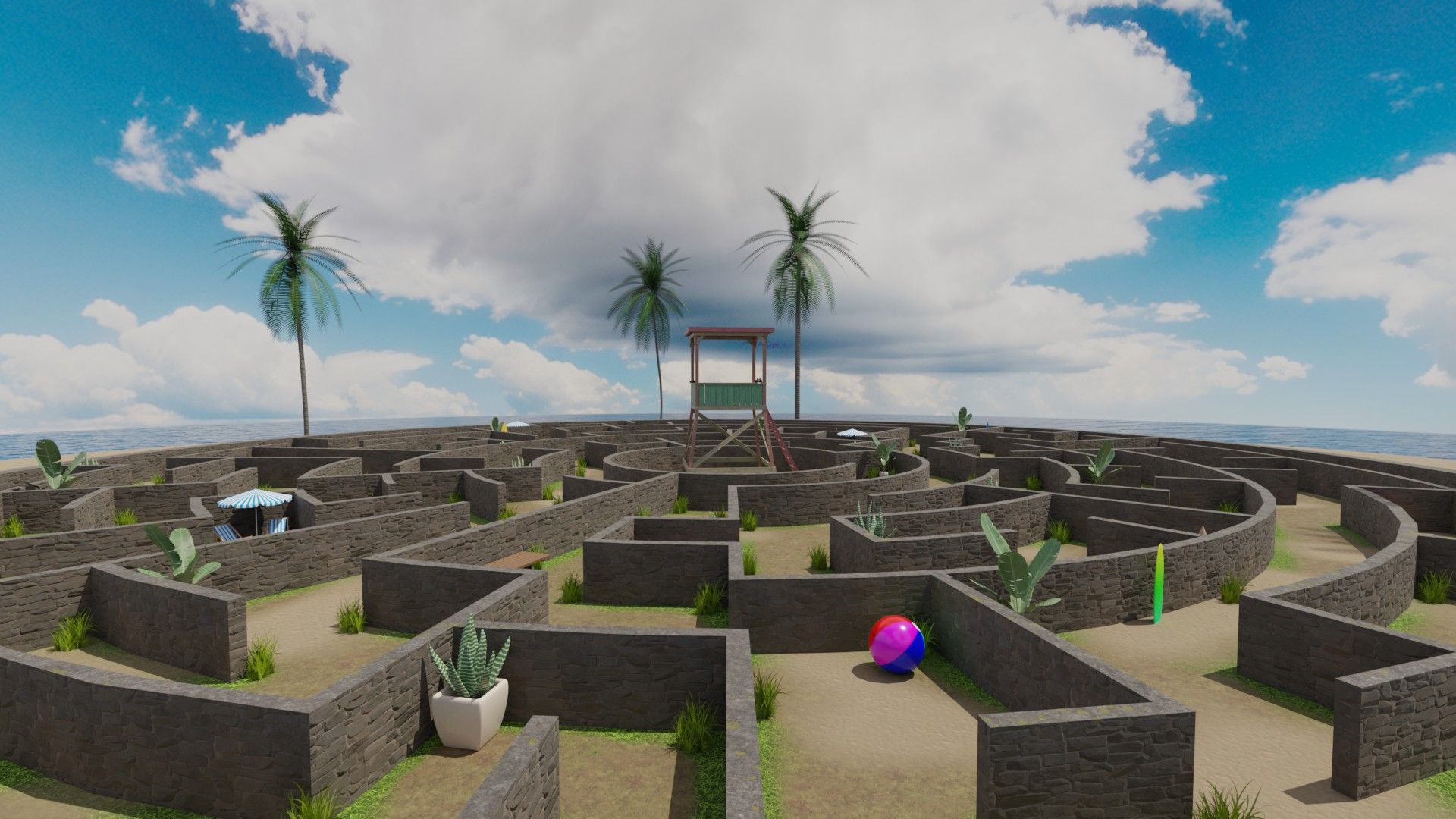
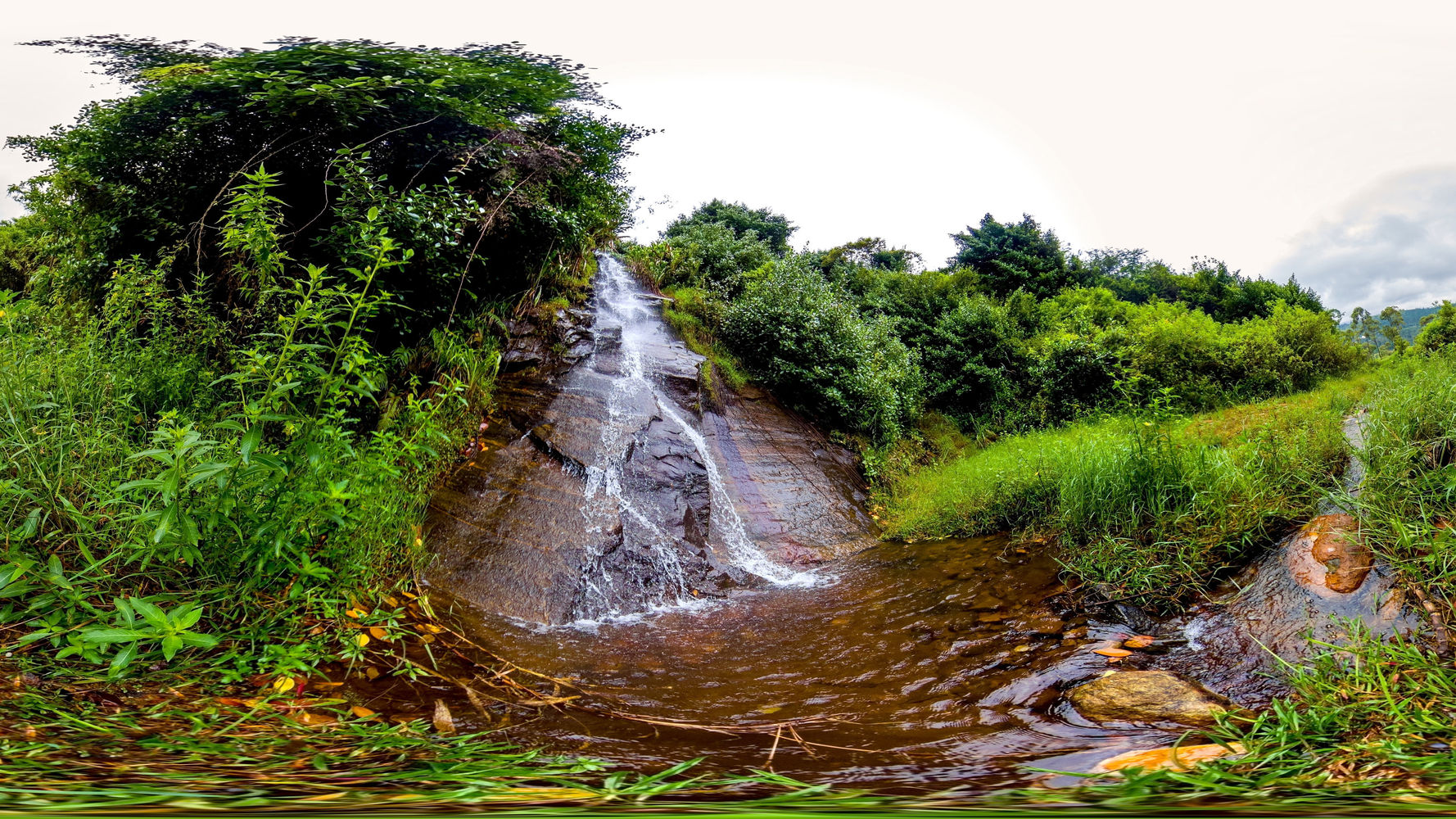
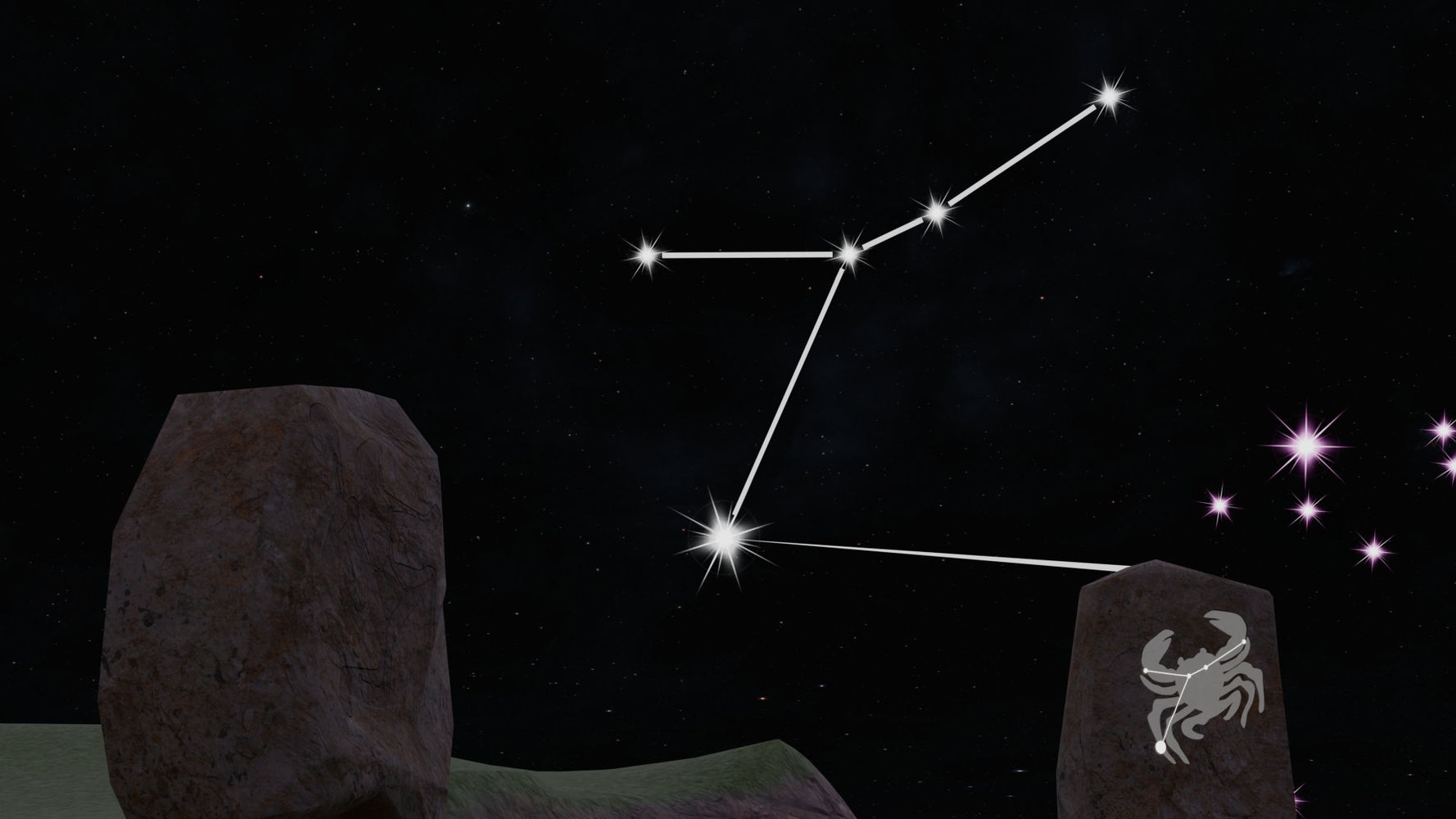
ClassVR makes middle school learning interactive, memorable, and relevant. Students are curious and eager to explore, but their focus and motivation are influenced by social interaction and real-world connections. ClassVR provides immersive experiences that go beyond traditional lessons, helping students engage deeply, think critically, and connect learning to the world around them. Use ClassVR to teach the following subjects:
Mathematics
English
Science
Citizenship
Art & Design
Humanities
Design & Technology
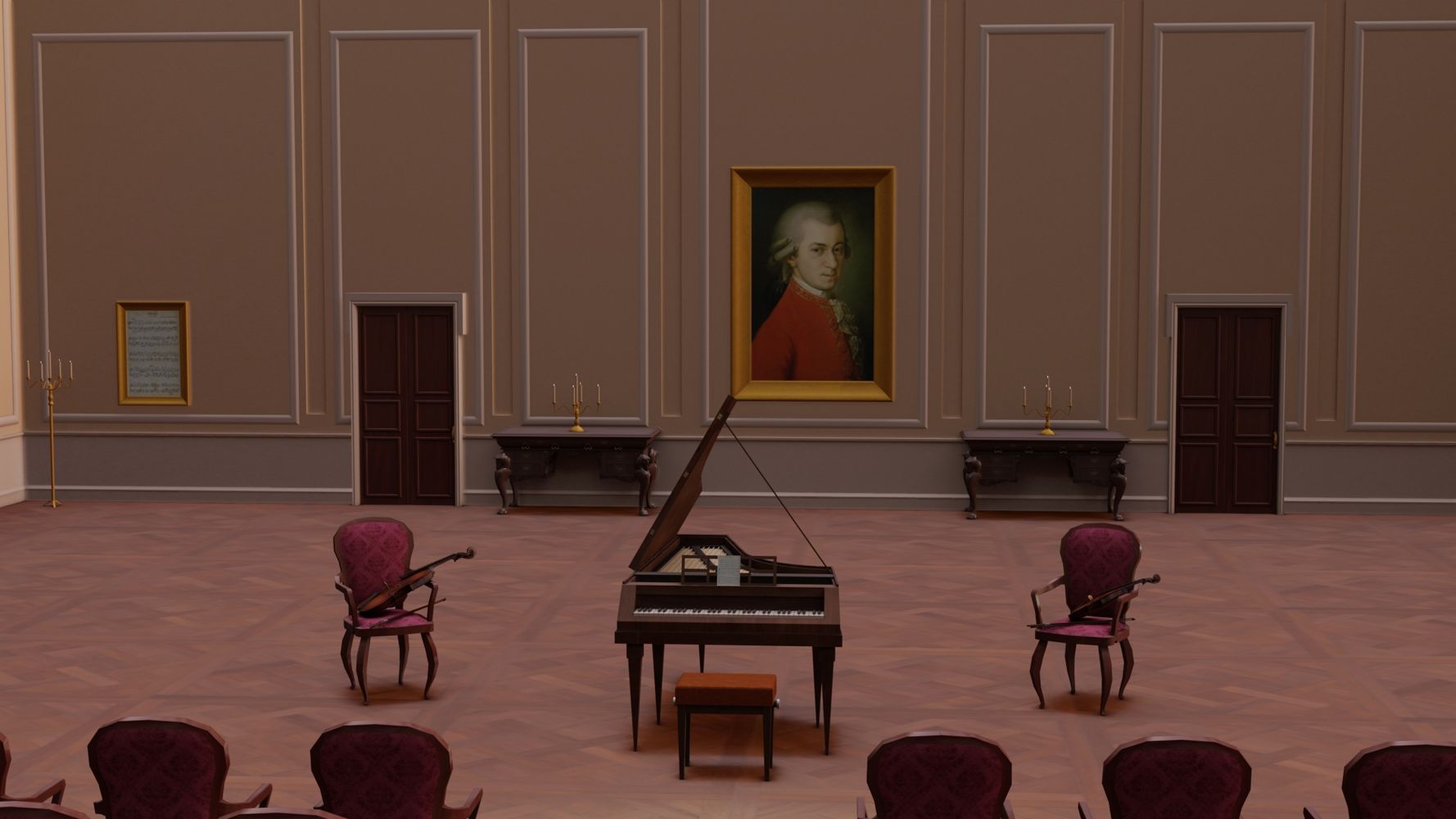
Music
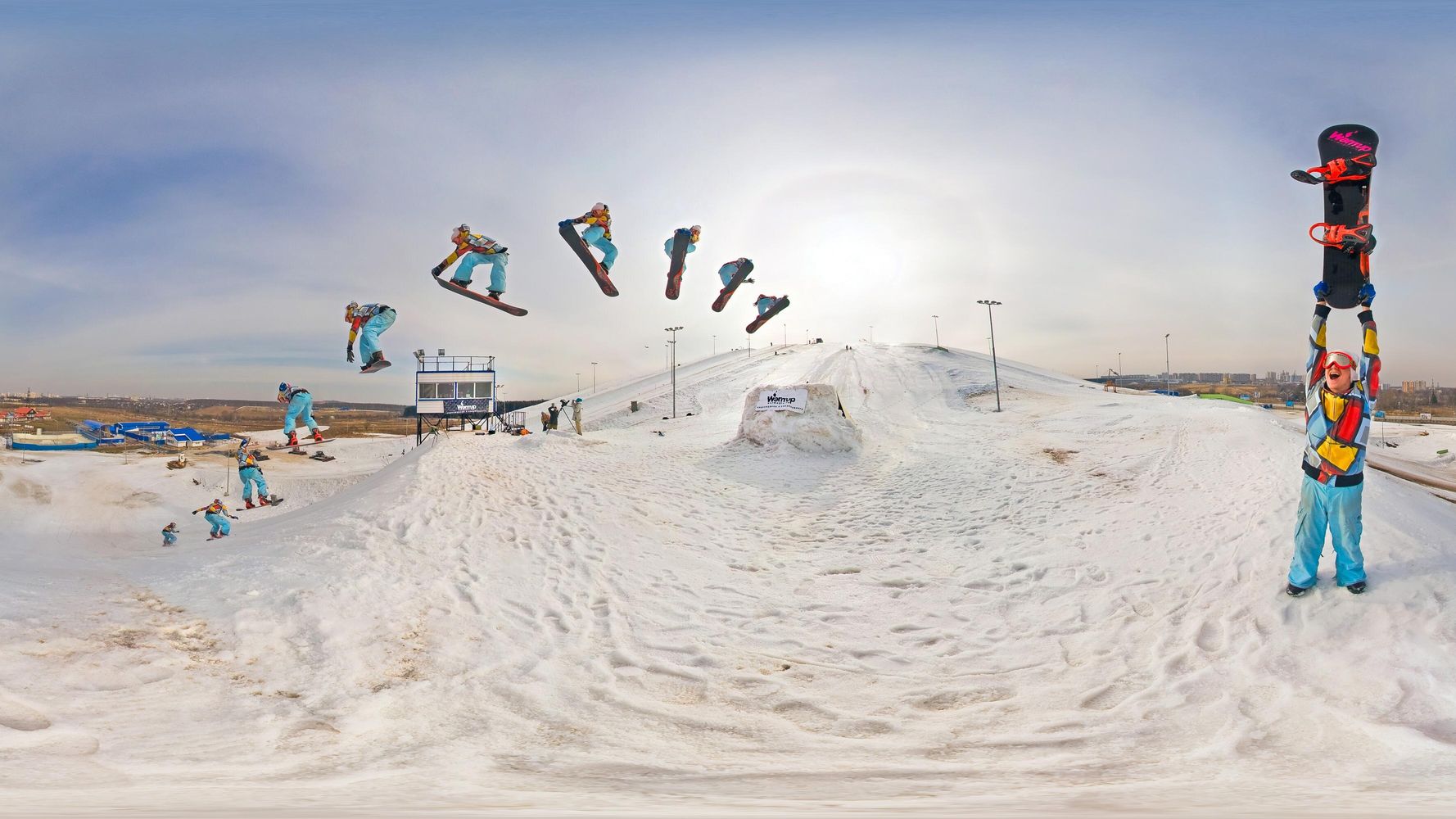
Physical Education
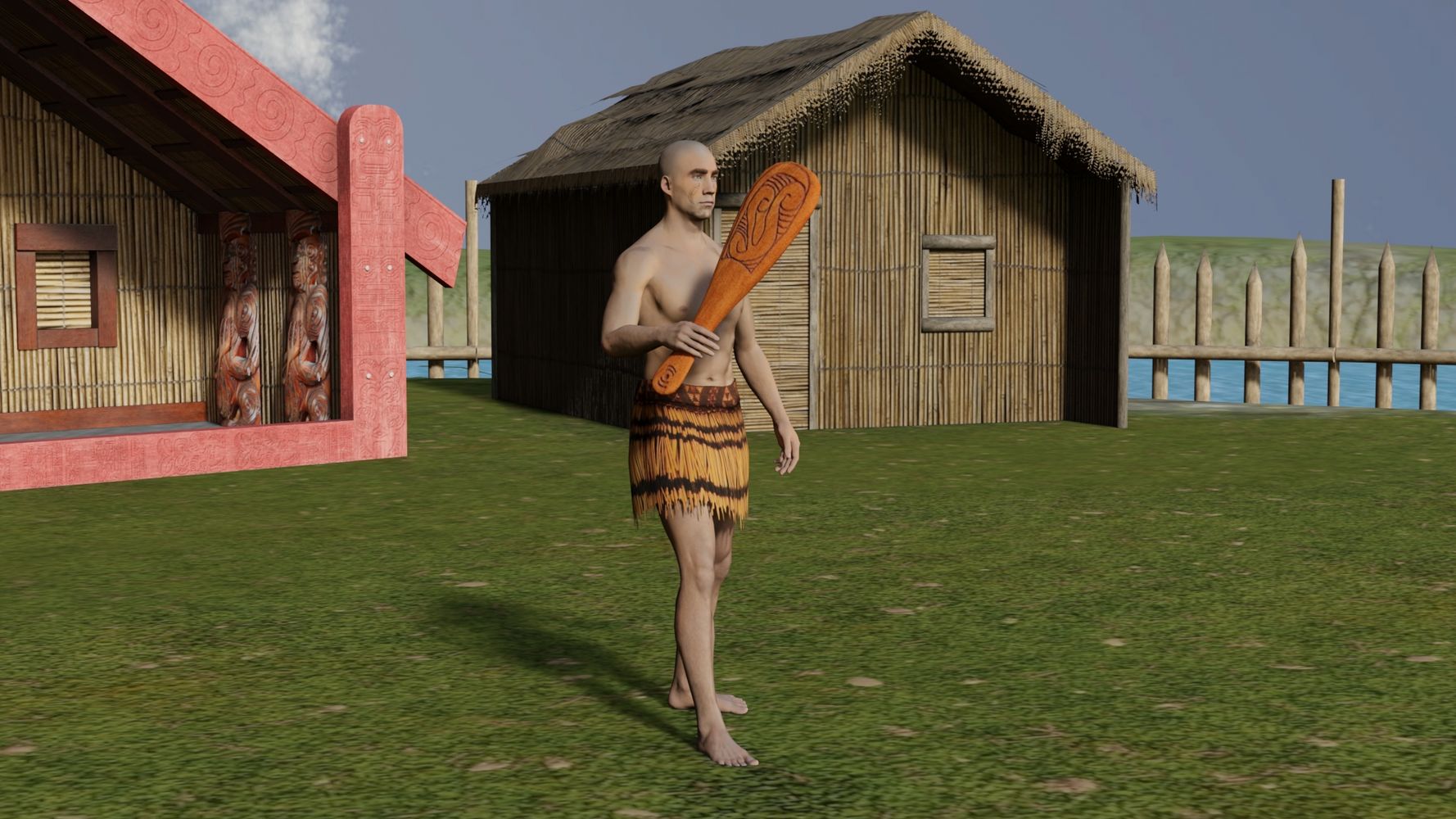
PSHE
Special Education / SpEd
Languages
Ready to Explore More?
How ClassVR Benefits Learning
Compared to learners taught with more traditional teaching methods, learners using a VR headsets are:

4x
More Focused

4x
Quicker to Retain Knowledge

275%
More Confident in Applying Learnings
*source: PwC
Complete Classroom Control for Teachers
ClassVR is the only all-in-one solution built specifically for education.
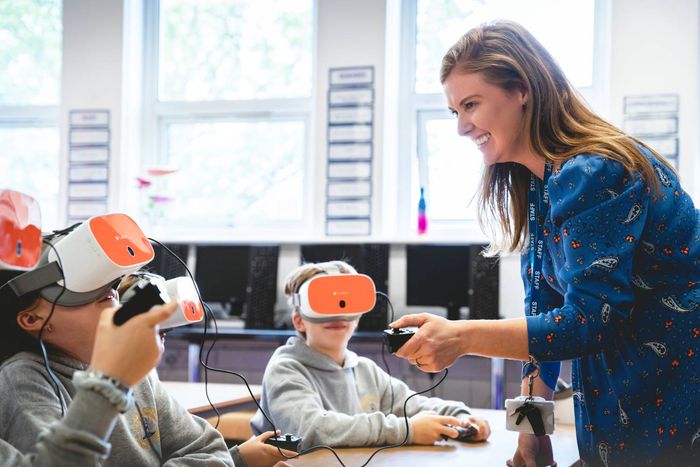
Its powerful device management features create a secure, controlled learning environment where students can only view curated content provided by the teacher.
With the ClassVR Portal, teachers can monitor and manage every headset remotely, ensuring full oversight and engagement throughout each lesson.
Frequently Asked Questions
What headset options does ClassVR offer?
We currently have three headsets options.
Standard
The original ClassVR headset.
A ready-to-go solution for schools starting out with VR
Xplorer
The all-in-one classroom headset.
Delivers immersive learning across the curriculum.
Xcelerate
Our most interactive headset.
Designed for advanced learners to explore careers
How do we control VR screen time?
We recommend that VR sessions last no longer than 15 minutes across a lesson. Short sessions are highly engaging and work best to introduce a topic or reinforce key learning points.
The ClassVR Portal includes a waiting room feature, which teachers can use to notify students when it’s time to remove their headsets. This helps teachers manage usage easily and keep lessons on track.
How is virtual reality used in schools?
Virtual Reality is used in schools to make lessons more immersive, engaging, and memorable for students.
Here are some common ways teachers are using ClassVR in the classroom:
- Virtual field trips – transport students anywhere in the world, from the middle of the jungle to the surface of the moon, all without leaving the classroom.
- Career training and vocational development – help older learners prepare for the workforce with interactive simulations designed to build skills and confidence.
- Special Education / SpEd support – create safe and engaging environments for students with special education needs, offering opportunities to practice essential life skills and overcome challenges.
What are the advantages of using virtual reality in Middle Schools?
Virtual Reality (VR) can bring several benefits to Elementary education, especially when used thoughtfully to complement, not replace, traditional teaching. Here are the key advantages:
- Boost in Knowledge Retention – students remember more of what they see than what they read. Make every lesson memorable with ClassVR.
- Enhance Student Engagement – Instead of just reading or listening, children can experience concepts like walking through a rainforest, exploring the solar system, or diving into the ocean. Help make abstract or complex topics easier to understand.
- Support for Special Educational Needs – ClassVR offer immersive content to support students, offering multi-sensory, distraction-free environments. Helps children with autism, ADHD, or dyslexia engage at their own pace.
What is a virtual field trip, and how does it work in a middle school classroom?
A virtual field trip is an immersive 360-degree experience that places students inside a real or recreated location, from the Colosseum to the International Space Station to the Great Barrier Reef. In a ClassVR lesson, the teacher selects the destination from the ClassVR content library, pushes it to every headset through the ClassVR Portal, and guides the class through the scene with discussion points, tasks, and checks for understanding. No buses, no permission slips, no wasted class time.
Which virtual field trips are included for middle school?
ClassVR includes hundreds of destinations suitable for grades 6 through 8, covering historical sites such as ancient Egypt, Rome, and the American Civil War; natural environments from rainforests to polar regions to the deep ocean; cultural landmarks across six continents; and science experiences such as the human body, the solar system, volcanoes, and microscopic worlds. New content is added regularly, and every trip is paired with ready-to-teach lesson resources aligned to US middle school standards.
How long should a virtual field trip last in a middle school lesson?
ClassVR includes hundreds of destinations suitable for grades 6 through 8, covering historical sites such as ancient Egypt, Rome, and the American Civil War; natural environments from rainforests to polar regions to the deep ocean; cultural landmarks across six continents; and science experiences such as the human body, the solar system, volcanoes, and microscopic worlds. New content is added regularly, and every trip is paired with ready-to-teach lesson resources aligned to US middle school standards.