
ClassVR Resources Aligned with U.S. State Education Standards
Search standards correlation by state
Find the exact content you need by searching our growing library of standards-correlated resources. Filter by state, subject, lesson, or standard code to see exactly how ClassVR content maps to the standards you’re teaching toward. Each result links directly to the student view, so you can preview the experience before you use it in the classroom.
ClassVR is much more than just a VR headset. It’s the hardware, the curriculum-aligned content, ready-made lesson plans, and dedicated teacher support, all in one place. Students walk through ancient civilizations, explore the human body up close, swim through ocean ecosystems, and connect with subjects in ways that a textbook never could. All of it, mapped to the standards your district is measured against.
The research backs this up. A PwC study found that VR-trained participants were 275% more confident in applying what they learned and felt 3.75 times more emotionally connected to the content than those in traditional classroom settings. Separately, the XR Association and ISTE report that 82% of high school teachers believe immersive learning can deliver high-quality academic content.
With ClassVR the opportunities you provide students are endless. Put a headset on a student and let them stand on the surface of Mars or explore through the chambers of the heart, and engagement stops being something you have to work for. No matter what subject you are teaching, you can use ClassVR to book student engagement by 4.
Use the tool above to explore how our resources align with your state’s standards
How our VR resources support curriculum goals
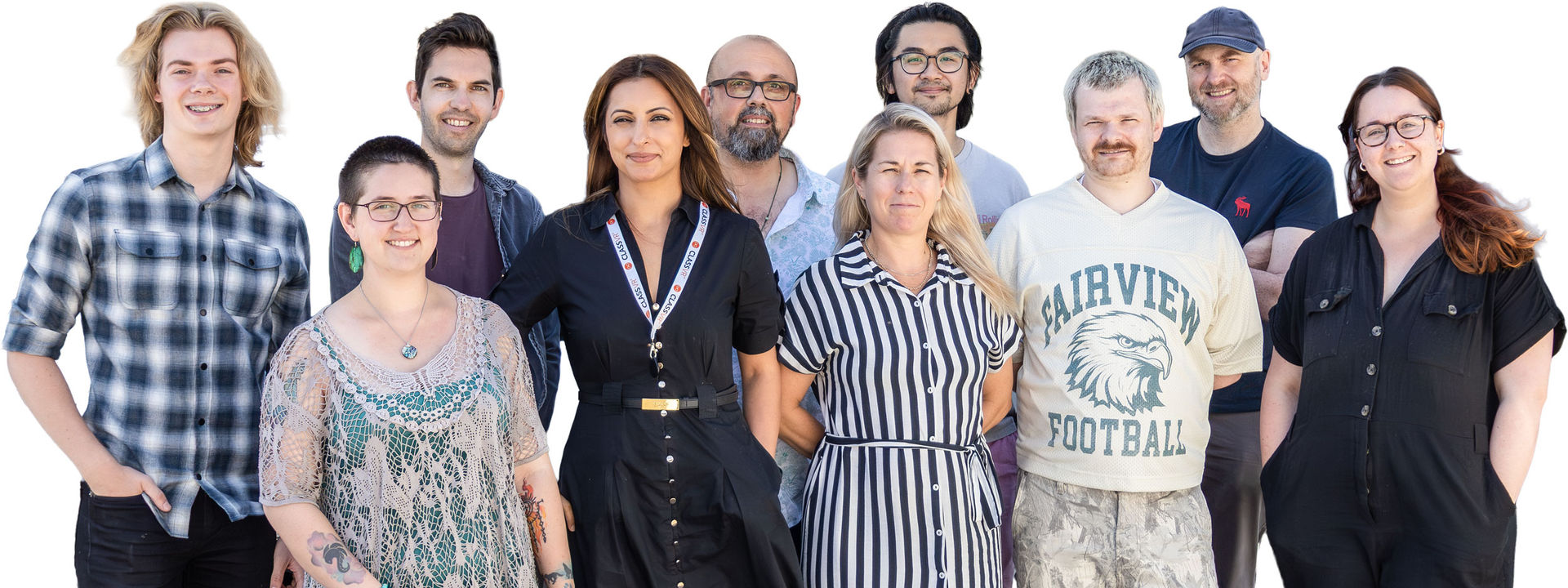
ClassVR was Designed by Educators, for Educators
Our in-house education team, including a dedicated US office of educational expertise, works closely with state frameworks to create immersive experiences that actually support what you’re teaching.
Every resource is aligned with specific standards for each state, each grade, and each semester, so you can plan knowing the content meets your instructional goals.
You shouldn’t have to spend your evening mapping experiences to standards codes. With ClassVR, the alignment work is built in, so you can focus on teaching. Alongside standards-correlated content, you also get teacher notes to guide instruction, student notes to support focus and follow-up discussion, and simple classroom controls so you can guide, pause, and bring the group back together.
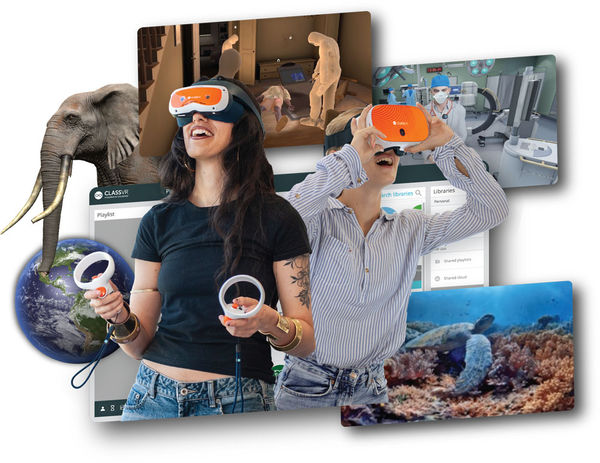
Endless lesson possibilities
We know that no pre-built library can cover every lesson, and the best teachers often want to go so much further. Maybe it’s local history, a district-wide project, or the exact experiment you’re running this week. ClassVR gives you those exact tools to make it happen.
You can upload your own images, videos, and 360 content into the ClassVR portal to use alongside the Eduverse library. Need to build a scene from scratch? EduverseAI lets you create custom 360 images from a short written prompt, ready to use in a lesson. If you can describe it, your students can explore it.
To see what’s available right now, browse immersive content by subject.
Trusted by School Districts Across the United States
Schools and districts across the US already use ClassVR to make immersive learning part of everyday teaching, not something saved for a special occasion. Barbers Hill ISD in Texas uses ClassVR across nine campuses, with teachers integrating it from elementary through to high school.
And the data is there to back it up. In a 2025 study involving 317 students in El Salvador’s public schools, students using ClassVR for science lessons saw a 35.2% increase in knowledge retention, compared with just 2.66% in the control group. Motivation stayed the same or improved in the VR group, while the control group saw drops.
Immersive learning is fast becoming part of how districts teach day to day, and the schools that get in early are the ones setting the standard for their students.
Frequently Asked Questions
Which U.S. state standards does ClassVR correlate to?
ClassVR resources are correlated with national frameworks including Common Core (CCSS), Next Generation Science Standards (NGSS), and the C3 Framework for Social Studies. We also cover individual state standards such as Texas TEKS, Florida B.E.S.T. Standards, California Content Standards, and New York P–12 Learning Standards. Coverage varies by subject and state, and we’re always adding more.
How do I find content correlated to my state’s curriculum?
Use the search tool on this page to filter by state, subject, lesson, or standard code. Each result opens a student view so you can preview the experience and check it fits before using it in class.
Can I use ClassVR for subjects not listed in the standards library?
Yes. ClassVR’s create and upload feature lets you add your own images, videos, and 360 content into the portal, so any resource you have can become a VR lesson. EduverseAI can also generate a custom 360 scene for any topic from a short written prompt. You’re never limited to what’s already in the library.
How often is new standards-aligned content added?
Our in-house education team, including US-based curriculum specialists, develops new content throughout the year. New resources are added and correlated to state standards regularly, so the library stays current as curricula change.
Does ClassVR support district-wide implementation?
Yes. ClassVR is built for district-wide rollouts. Barbers Hill ISD in Texas runs ClassVR across nine campuses, from elementary through to high school. The ClassVR portal handles lesson delivery and classroom management across multiple schools, and our team can help with rollout planning and staff training.
Ready to see how ClassVR aligns with your state’s standards?
Our global team is here to help with your enquiry